Physical therapy is entering a transformative era where digital environments are reshaping traditional recovery methods. Virtual Reality is emerging as a powerful clinical tool that turns repetitive exercises into engaging, immersive experiences. For students interested in leading this technological shift in patient care, pursuing a Doctor of Physical Therapy degree provides the clinical background needed for modern practice.
The Transformation of Pain Management and Motor Control
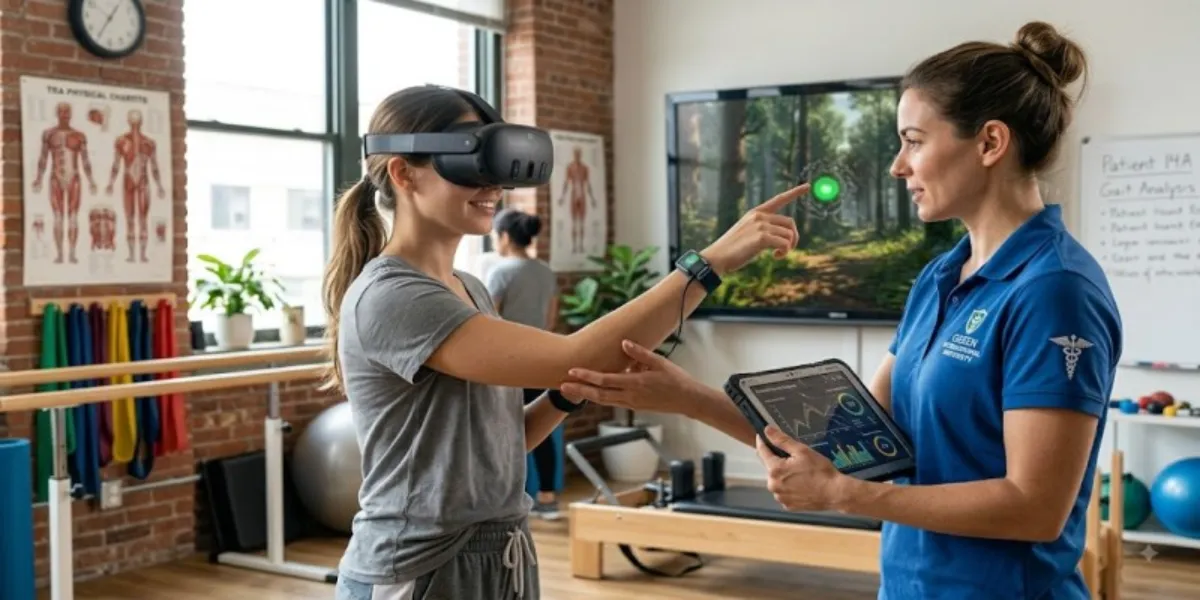
Immersive virtual environments help patients overcome pain limits by flooding the brain with visual and auditory stimuli during physical exercises. This cognitive distraction reduces pain perception, allowing individuals to perform functional movements without fear or discomfort. Furthermore, for post-stroke and neurological recovery, interactive visual feedback stimulates brain pathways and accelerates motor learning through dynamic repetition.
Academic Innovation and Healthcare Leadership
Modern healthcare delivery requires skilled clinicians who understand both human biomechanics and digital therapy platforms. Top-tier educational institutions like Green International University focus on preparing future physical therapists to navigate and apply these advanced technological tools safely in clinical settings.
Career Pathways in Technology-Driven Physical Therapy
As digital health tools become standard in hospitals and specialized clinics, professional training opens diverse career opportunities for physical therapy graduates. Aspiring practitioners can read more about admission criteria, clinical rotations, and scope of practice in the comprehensive Doctor of Physical Therapy Program overview.
Implementation Factors and Future Outlook
While virtual reality offers significant advantages, integrating these systems requires addressing hardware costs, patient comfort, and precise clinical supervision. As digital platforms continue to evolve alongside therapist guidance, virtual reality will remain a vital tool in making physical recovery faster, more engaging, and more accessible for patients worldwide.
Conclusion
Virtual reality is fundamentally redefining physical rehabilitation by combining effective pain management with interactive movement therapy. Rather than replacing hands-on therapeutic care, virtual tools enhance treatment efficiency and boost patient motivation. As technology continues to advance, the integration of immersive platforms will establish new standards of excellence in physical medicine and functional recovery