At the intersection of biology and chemistry lies biochemistry, the discipline that seeks to uncover the molecular secrets of life. Every breath we take, every heartbeat, and every immune response is governed by an intricate web of chemical reactions. When these biochemical pathways function seamlessly, the human body remains in a state of health. However, when a single enzyme misfolds, a metabolic cycle falters, or a genetic sequence is altered, disease takes hold.
For decades, medical science treated diseases by addressing their outward symptoms. Today, modern medicine operates at the cellular and molecular levels, a paradigm shift driven almost entirely by advancements in biochemistry. From diagnosing a condition using a simple blood sample to engineering targeted gene therapies, biochemistry provides the foundational blueprint for modern healthcare.
For students and researchers pursuing an advanced MPhil Biochemistry degree, understanding these molecular mechanisms is not just an academic pursuit; it is the key to unlocking the next generation of medical breakthroughs.
The Molecular Basis of Human Diseases
To effectively treat an illness, scientists must first understand its root cause. Biochemistry deconstructs complex pathological conditions into measurable chemical events. Broadly, human diseases can be categorized based on the biochemical disruptions that trigger them.
Metabolic Disorders and Enzyme Deficiencies
Metabolism is the sum of all chemical reactions that sustain life, categorized into anabolism (building molecules) and catabolism (breaking them down). When a specific enzyme within these pathways is missing or defective, toxic substrates accumulate, or vital end-products are not formed.
Diabetes Mellitus
One of the most widespread metabolic disorders globally. Biochemistry helped map out how insulin regulates glucose uptake via specific cell receptors. Understanding insulin resistance and pancreatic beta-cell dysfunction at a molecular level has allowed for the creation of targeted synthetic insulins and oral hypoglycemic drugs.
Inborn Errors of Metabolism
Conditions like Phenylketonuria (PKU) occur due to a mutation in a single enzyme (phenylalanine hydroxylase). Without this enzyme, the amino acid phenylalanine builds up to toxic levels in the brain. Biochemical screening at birth allows for dietary interventions that prevent severe neurological damage.
Genetic and Molecular Pathologies
Our DNA is the master instruction manual for protein synthesis. Biochemistry bridges the gap between genetics and pathology by analyzing how altered genetic codes translate into faulty proteins.
Sickle Cell Anemia
This inherited blood disorder is a classic example of a molecular disease. A single nucleotide mutation in the DNA alters one amino acid in the hemoglobin protein (glutamic acid is replaced by valine). This minor biochemical shift changes the shape of the entire red blood cell, causing it to sickle, clog capillaries, and limit oxygen delivery.
Cancer Biology
Cancer is fundamentally a disease of broken biochemical controls. Mutations in proto-oncogenes and tumor suppressor genes disrupt normal cell signaling pathways, leading to uncontrolled cellular proliferation. Biochemists study how these mutated proteins bypass the cell cycle checkpoints, alter cellular metabolism (the Warburg Effect), and evade programmed cell death (apoptosis).
Biochemistry in Disease Diagnosis and Biomarkers
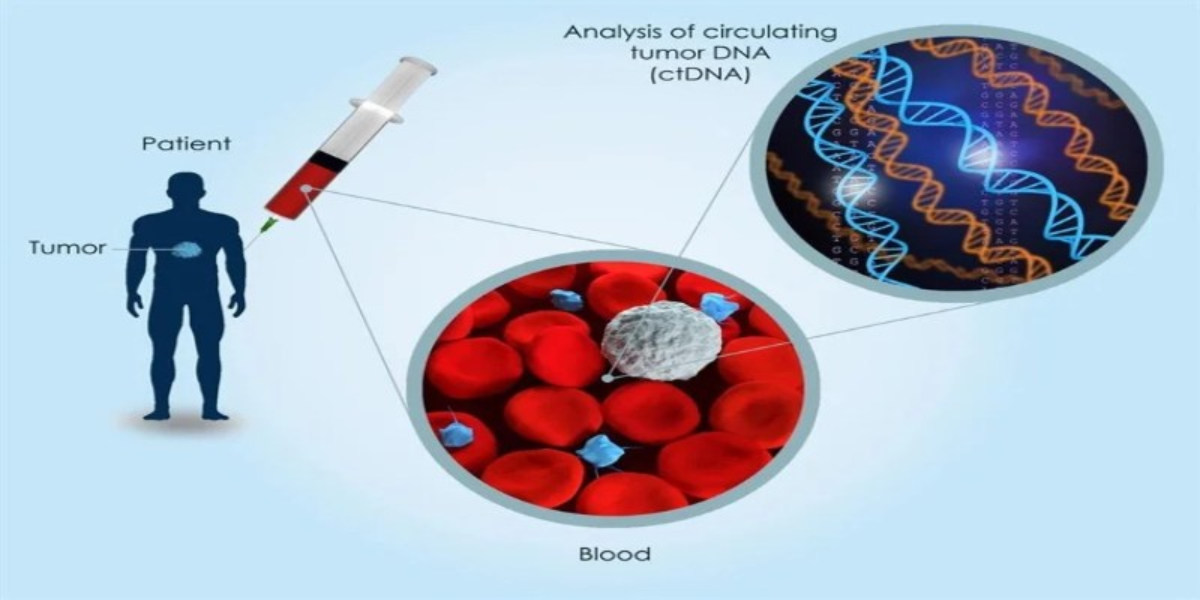
Before a doctor can prescribe a cure, they must have an accurate diagnosis. Biochemical assays are the backbone of diagnostic laboratories worldwide, offering a window into the internal chemical state of a patient.
By analyzing biological fluids such as blood, urine, and cerebrospinal fluid, laboratory professionals can identify specific "biomarkers" substances whose presence or concentration indicates a specific biological or pathogenic state.
|
|
|
|
|
|
|
|
|
|
|
|
|
|
|
|
|
|
|
|
Beyond these standard tests, advanced molecular diagnostics utilize techniques like Polymerase Chain Reaction (PCR) and Enzyme-Linked Immunosorbent Assay (ELISA) to detect viral loads, genetic mutations, and precise antibody levels, proving indispensable during global public health crises.
Pharmacochemistry and Targeted Therapeutics
Once biochemistry identifies the molecular cause of a disease, it plays an equally vital role in designing the remedy. The field of pharmacology is heavily reliant on biochemical principles to understand drug-receptor interactions, pharmacokinetics (how the body processes a drug), and pharmacodynamics (how the drug affects the body).
Rational Drug Design
Historically, drugs were discovered largely by trial and error or by isolating compounds from natural plants. Today, biochemists utilize structural biology techniques such as X-ray crystallography and cryo-electron microscopy to map out the exact three-dimensional shape of disease-causing proteins.
With this structural map, scientists can use computer-aided design to engineer small molecules that fit perfectly into the active site of a target enzyme, effectively shutting it down. A prime example is Imatinib (Gleevec), a revolutionary leukemia drug designed specifically to bind to and inhibit the mutated tyrosine kinase protein responsible for chronic myeloid leukemia.
The Rise of Biologics and Recombinant DNA Technology
Traditional medicines are usually small chemical molecules. However, biochemistry has pioneered the era of "biologics," large, complex therapeutic proteins manufactured within living cells. By utilizing recombinant DNA technology, scientists can insert human genes into bacteria or yeast cells, turning them into micro-factories that produce human insulin, growth hormones, and monoclonal antibodies tailored to attack specific cancer cells while leaving healthy tissues untouched.
The Intersection of Biochemistry and Biotechnology
The modern healthcare landscape is shifting rapidly toward personalized medicine, where treatments are customized based on an individual’s unique genetic and biochemical profile. This evolution is driven by the close relationship between chemical processes and technological innovation.
Exploring the Role of Biotechnology and Biochemistry reveals how these combined disciplines are reshaping diagnostics, vaccine development, and therapeutic manufacturing, particularly within emerging healthcare sectors. Technologies like CRISPR-Cas9 gene editing, mRNA vaccine platforms (such as those used for recent viral outbreaks), and stem cell therapies all rely heavily on fundamental biochemical reactions to safely modify genetic material and restore normal cellular function.
Cultivating the Future of Medical Science
As the global burden of chronic illnesses, infectious diseases, and age-related disorders continues to rise, the demand for highly skilled researchers and clinical biochemists has never been more urgent. Solving the medical mysteries of tomorrow requires a rigorous academic ecosystem that fosters critical thinking and provides hands-on exposure to advanced laboratory technologies.
Institutions committed to driving healthcare innovation focus heavily on creating robust research cultures. Pursuing higher education at a forward-thinking establishment like Green International University gives aspiring scientists access to state-of-the-art research laboratories, modern equipment, and mentorship from experienced faculty members. These resources empower researchers to study complex cellular pathways, identify novel disease biomarkers, and contribute directly to global medical literature.
Conclusion
From defining the molecular defects that cause inherited disorders to providing the diagnostic tools used daily in hospitals, biochemistry is the anchor of modern medicine. It transforms our understanding of human diseases from a collection of vague symptoms into a precise map of molecular interactions, allowing for highly targeted, effective treatments.
As we look toward a future dominated by personalized therapeutics, gene editing, and advanced molecular diagnostics, the role of the biochemist will remain central to human health. For those passion-driven individuals looking to stand at the absolute forefront of medical discovery, diving deep into the world of biochemistry is the ultimate way to turn scientific curiosity into a life-saving reality