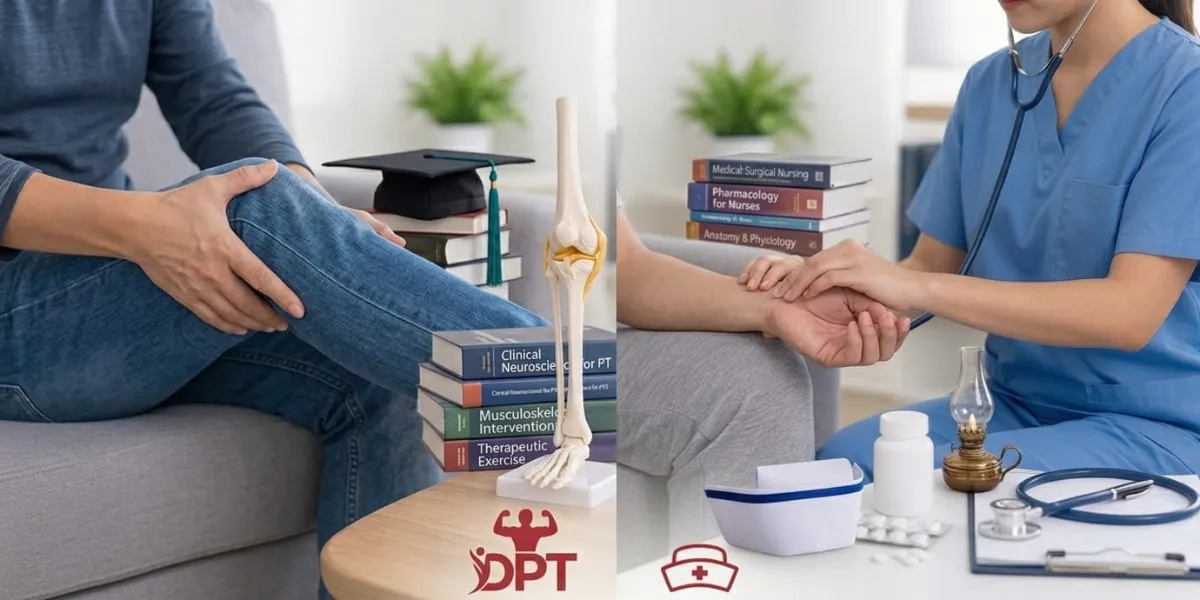
Choosing a healthcare degree after FSc Pre-Medical can be challenging, especially when you are considering careers beyond MBBS. Doctor of Physical Therapy (DPT) and BS Nursing (BSN) are two popular options, but they prepare students for very different roles in healthcare.
DPT focuses primarily on movement, physical function, rehabilitation, and recovery, while BS Nursing focuses on direct patient care, health assessment, treatment support, and care management across hospitals and community settings.
Before choosing between DPT and BS Nursing, it is important to understand their program duration, subjects, clinical training, career opportunities, work environments, and professional responsibilities.
DPT vs. BS Nursing: Quick Comparison
|
|
|
|
|
|
|
|
|
|
|
|
|
|
|
|
|
|
|
|
|
|
|
|
|
|
|
|
|
|
|
|
Program duration, eligibility and curriculum should always be confirmed from the university and relevant regulatory body before admission.
1. What Is a Doctor of Physical Therapy?
A Doctor of Physical Therapy (DPT) is a professional degree focused on physical rehabilitation and improving a patient's movement and functional ability.
Students study areas such as anatomy, physiology, kinesiology, therapeutic exercise, physical agents and clinical rehabilitation. Depending on their training, physical therapists may work with patients recovering from injuries, surgery, neurological conditions, musculoskeletal problems and other conditions that affect movement and function.
The Doctor of Physical Therapy program at GIU provides students with education and clinical training related to physical therapy and rehabilitation.
What Does a Physical Therapist Do?
Depending on their role and applicable professional regulations, physical therapists may:
- Assess movement, strength, mobility and physical function.
- Develop rehabilitation goals and treatment plans.
- Use therapeutic exercises and physical therapy techniques.
- Help patients recover after injuries or surgery.
- Support rehabilitation for neurological and musculoskeletal conditions.
- Educate patients about exercises, mobility and injury prevention.
- Monitor progress throughout rehabilitation.
Physical therapy often involves repeated patient sessions, so communication, patience and practical problem-solving are important skills.
2. What Is BS Nursing?
A Bachelor of Science in Nursing (BSN) prepares students for professional nursing practice. Nursing education combines classroom learning, laboratory skills and supervised clinical experience.
Students typically study subjects related to nursing fundamentals, health assessment, pharmacology, adult health, pediatric nursing, mental health, community health and other areas of patient care.
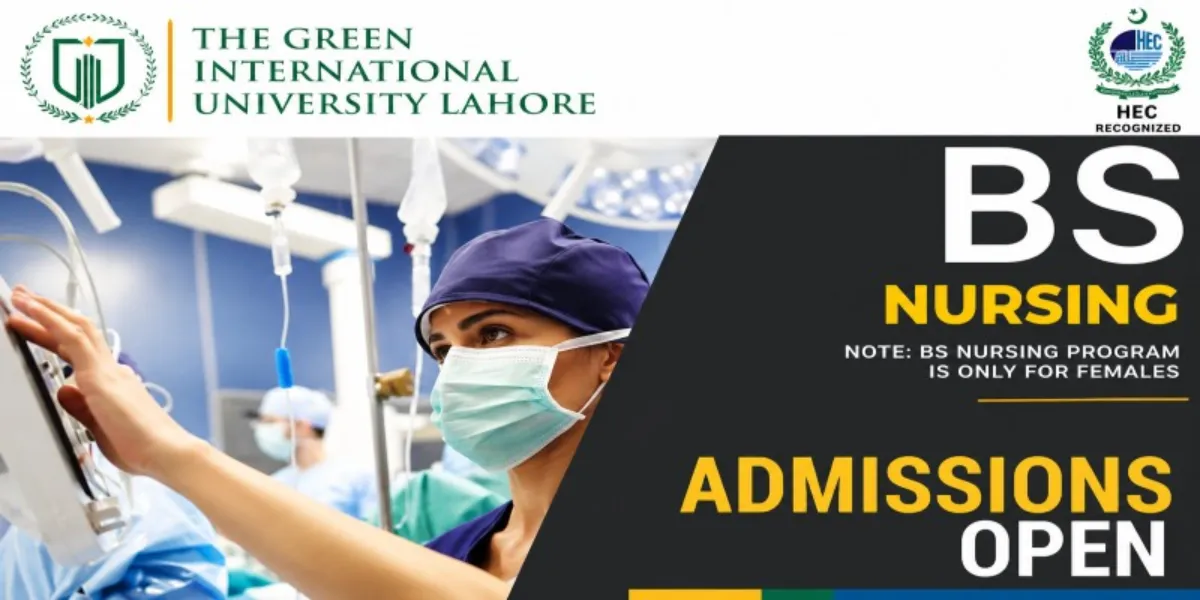
The BS Nursing program at GIU is designed to prepare students for professional nursing practice through academic and clinical education.
What Does a Nurse Do?
Nursing responsibilities can vary by workplace and level of practice, but commonly include:
- Monitoring patients and recording vital signs.
- Providing direct nursing care.
- Administering medications as prescribed and within professional scope.
- Maintaining patient records and communicating changes in condition.
- Supporting doctors and other healthcare professionals.
- Providing care before and after medical procedures.
- Educating patients and families about healthcare and recovery.
- Responding to patients' immediate healthcare needs.
Nursing can involve shift work, including evenings, nights, weekends and holidays, particularly in hospitals and emergency or critical-care settings.
3. DPT vs. BS Nursing: What Will You Study?
The two degrees share a foundation in health sciences, but their core subjects become quite different as students progress.
DPT Subjects and Skills
A DPT curriculum commonly includes areas such as:
- Anatomy
- Physiology
- Kinesiology
- Biomechanics
- Exercise therapy
- Therapeutic techniques
- Electrotherapy and physical agents
- Musculoskeletal physical therapy
- Neurological rehabilitation
- Cardiopulmonary physical therapy
- Pediatric and geriatric rehabilitation
- Clinical physical therapy
The emphasis is on understanding movement and developing rehabilitation strategies that help patients improve physical function.
BS Nursing Subjects and Skills
BS Nursing education commonly covers:
- Fundamentals of nursing
- Health assessment
- Anatomy and physiology
- Pharmacology
- Adult health nursing
- Pediatric nursing
- Mental health nursing
- Community health nursing
- Critical care
- Nursing research
- Nursing leadership and management
The emphasis is on providing safe, comprehensive and continuous nursing care across different healthcare environments.
4. Clinical Training: DPT vs. BS Nursing
Clinical exposure is an important part of both degrees, but students experience healthcare settings differently.
DPT Clinical Training
DPT students gain practical experience in physical therapy and rehabilitation settings. Their training can involve working with patients who need rehabilitation after injuries, surgery, neurological conditions or other problems affecting movement and physical function.
Students develop practical skills in patient assessment, therapeutic exercise, rehabilitation techniques and monitoring patient progress under appropriate supervision.
BS Nursing Clinical Training
BS Nursing students receive practical training in clinical environments where they develop skills in direct patient care.
Depending on the curriculum and clinical placement, students may gain exposure to medical and surgical wards, pediatric units, mental health settings, community healthcare, critical care and other clinical departments.
The work requires careful observation, communication, teamwork and attention to patient safety.
5. DPT vs. BS Nursing: Career Opportunities
Both degrees can lead to healthcare careers, but graduates generally work in different professional areas.
Career Options After DPT
DPT graduates may pursue opportunities in:
- Hospitals
- Rehabilitation centers
- Physical therapy clinics
- Sports and fitness settings
- Specialized rehabilitation services
- Academic institutions
- Research
- Private physical therapy practice, subject to applicable requirements
With further education and experience, physical therapists can also develop expertise in areas such as sports rehabilitation, neurological rehabilitation, musculoskeletal care, pediatric physical therapy or other specialties.
Career Options After BS Nursing
BS Nursing graduates may pursue careers in:
- Public and private hospitals
- Medical and surgical wards
- Intensive care settings
- Emergency departments
- Community healthcare
- Clinics
- Public health programs
- Nursing education
- Healthcare administration
Nurses can also pursue postgraduate education and specialized training to develop careers in areas such as critical care, nursing education, community health and other nursing specialties.
For overseas employment, nursing and physical therapy graduates generally need to meet the registration, licensing, examination and language requirements of the destination country. These requirements vary by country and profession.
6. DPT vs. BS Nursing: Work Environment
Your preferred work environment can be an important factor when choosing a degree.
DPT Work Environment
Physical therapists commonly spend significant time working directly with patients during rehabilitation sessions. The work can involve:
- Patient assessment
- Exercise instruction
- Mobility training
- Manual techniques
- Rehabilitation planning
- Progress monitoring
The role can be physically active because therapists may demonstrate exercises, assist with movement and work with patients during rehabilitation.
BS Nursing Work Environment
Nurses often work in environments where patients require ongoing monitoring and care. These may include:
- Hospital wards
- Emergency departments
- Intensive care units
- Operating and procedural areas
- Clinics
- Community healthcare settings
Hospital nursing can be physically and mentally demanding, particularly when caring for critically ill patients or working during busy shifts.
7. DPT vs. BS Nursing: Which Skills Are Important?
DPT May Suit You If You Enjoy:
- Human movement and anatomy
- Exercise and rehabilitation
- One-to-one patient interaction
- Long-term recovery processes
- Practical and hands-on work
- Helping patients improve mobility and physical function
BS Nursing May Suit You If You Enjoy:
- Direct patient care
- Working in clinical teams
- Fast-paced healthcare environments
- Patient monitoring and assessment
- Communication and teamwork
- Supporting patients throughout different stages of illness and recovery
These are not strict rules. Students can succeed in either profession with the appropriate education, training and professional development.
8. DPT vs. BS Nursing: Which One Should You Choose?
There is no single answer that applies to every student. The better choice depends on your interests, strengths and preferred type of healthcare work.
DPT may be a better academic fit if you are particularly interested in rehabilitation, movement, exercise and helping patients regain physical function.
BS Nursing may be a better academic fit if you are interested in continuous patient care, clinical monitoring, healthcare teamwork and working across different hospital and community settings.
You should also consider the program curriculum, clinical training, admission requirements, professional recognition, career opportunities and postgraduate options before making your decision.
9. DPT vs. BS Nursing: Frequently Asked Questions
Is DPT better than BS Nursing?
DPT and BS Nursing prepare students for different healthcare professions. DPT focuses on physical rehabilitation and movement, while BS Nursing focuses on direct patient care and nursing practice. Your choice should depend on your career interests and preferred work environment.
Is DPT a doctor degree?
DPT stands for Doctor of Physical Therapy and is a professional degree in physical therapy. The title and professional scope of practice can vary by jurisdiction, so students should follow the applicable professional and regulatory requirements.
Which is longer, DPT or BS Nursing?
A DPT program is commonly structured as a five-year professional degree in Pakistan, while BS Nursing is generally a four-year undergraduate degree. Always verify the current duration of the specific program before admission.
Can Pre-Medical students study DPT or BS Nursing?
Eligibility depends on the university and current regulatory requirements. Students with an FSc Pre-Medical background are commonly eligible to apply for these healthcare programs, subject to the specific admission criteria.
Can DPT and BS Nursing graduates work abroad?
Both professions have international career opportunities, but graduates must meet the registration, licensing, examination and other requirements of the country where they intend to work.