The field of computer science continues to evolve rapidly as new technologies transform industries and societies around the world. Advanced research in computing is driving innovation in artificial intelligence, data science, cybersecurity, and many other emerging fields. For students planning to pursue a PhD Computer Science, understanding the latest research trends is essential because it helps them choose the right specialization and contribute to meaningful technological advancements. In 2026, several research areas are expected to play a major role in shaping the future of computing and digital innovation.
Artificial Intelligence and Machine Learning
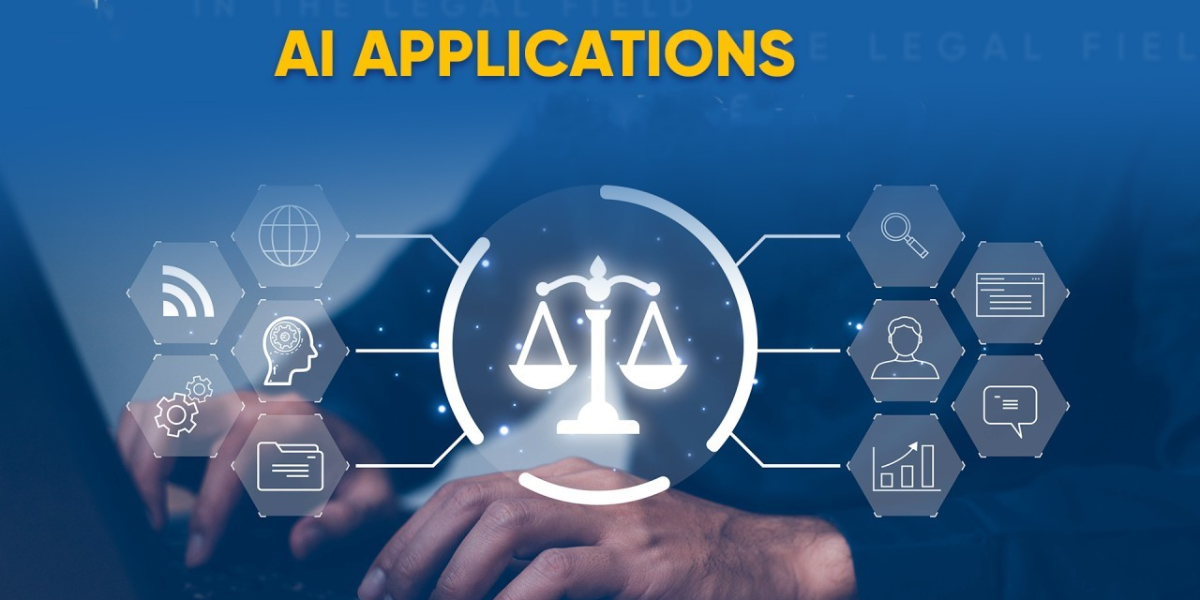
Artificial Intelligence (AI) and Machine Learning (ML) remain among the most influential research areas in modern computer science. These technologies enable computers to learn from data, recognize patterns, and make intelligent decisions without human intervention. PhD researchers in this field work on developing advanced algorithms, improving deep learning models, and creating intelligent systems capable of solving complex problems.
AI and ML research are widely applied in healthcare, finance, transportation, and robotics. From medical diagnosis systems to autonomous vehicles and personalized recommendations, AI-driven solutions are transforming industries. Students pursuing PhD Computer Science often focus on topics such as neural networks, reinforcement learning, natural language processing, and computer vision.
Cybersecurity and Data Protection
With the rapid growth of digital technologies and online services, cybersecurity has become a critical area of research. Protecting sensitive information, preventing cyberattacks, and ensuring data privacy are major challenges faced by governments and organizations worldwide. Understanding the fee-structure of your PhD program is important for planning long-term studies and research investments in this field.
PhD researchers in cybersecurity work on designing secure networks, developing advanced encryption techniques, and detecting cyber threats using artificial intelligence. As digital transformation continues to expand, cybersecurity experts will remain in high demand across industries. Research in this field contributes to safer online environments and helps protect both individuals and organizations from cyber risks.
Data Science and Big Data Analytics
Data has become one of the most valuable resources in the digital age. Every day, organizations generate massive amounts of data from online platforms, sensors, and digital systems. Data science and big data analytics focus on analyzing this information to uncover useful insights and support decision-making.
In PhD Computer Science, researchers explore new methods for processing large datasets, improving data visualization techniques, and developing predictive models. These innovations help businesses optimize operations, understand consumer behavior, and make strategic decisions. This research is closely tied to the admission policy at universities, ensuring students with relevant backgrounds and skills are accepted to programs aligned with current industry trends.
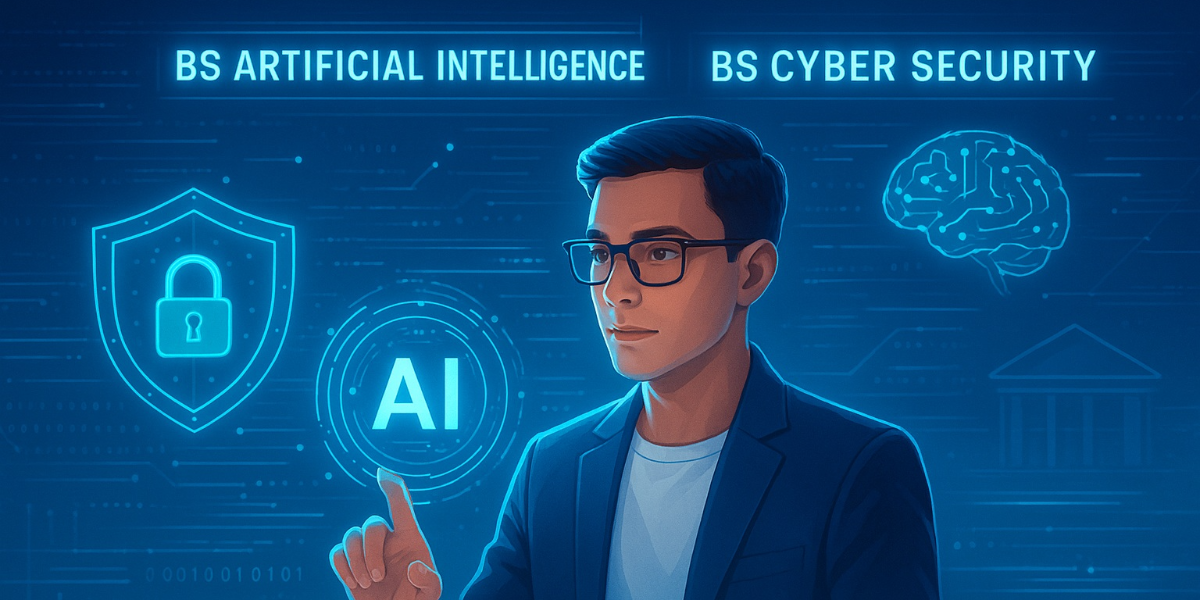
If you want to get info between BS Artificial Intelligence vs Computer Science and understand which option is best for your future, click here and explore the detailed guide available in Our Blogs.
Cloud Computing and Distributed Systems
Cloud computing has transformed the way organizations store and process information. Instead of relying on traditional hardware systems, businesses now use cloud-based platforms to manage data and applications. This shift has created new opportunities for research in distributed systems and cloud infrastructure.
PhD researchers in this field study topics such as scalable cloud architectures, resource optimization, and distributed data processing. These studies aim to improve system efficiency, reliability, and performance in large-scale computing environments. As cloud technology continues to grow, research in this area will remain essential for supporting digital transformation across industries.
Internet of Things, Blockchain, and Emerging Technologies
The Internet of Things (IoT) and blockchain are rapidly growing research areas in computer science. IoT refers to a network of interconnected devices that collect and exchange data through the internet. Blockchain technology enables secure and decentralized systems for data management and transactions.
Researchers in PhD Computer Science explore ways to improve device communication, enhance security, and manage networks of connected devices. Blockchain research focuses on improving transparency, security, and reliability in digital systems. These areas are key to developing smart cities, digital finance solutions, and advanced industrial applications.
Conclusion
The future of technology depends heavily on advanced research in computer science. Fields such as artificial intelligence, cybersecurity, data science, cloud computing, IoT, and blockchain are expected to dominate technological innovation in 2026 and beyond. For students considering a PhD Computer Science, understanding these research areas is essential for building a successful academic and professional career.
By selecting the right research specialization and studying at a supportive institution like Green International University, students can contribute to groundbreaking innovations and solve real-world technological challenges. Those interested in academic programs, research opportunities, and technology trends can also explore our Blogs, which offer valuable guidance for future scholars and researchers.