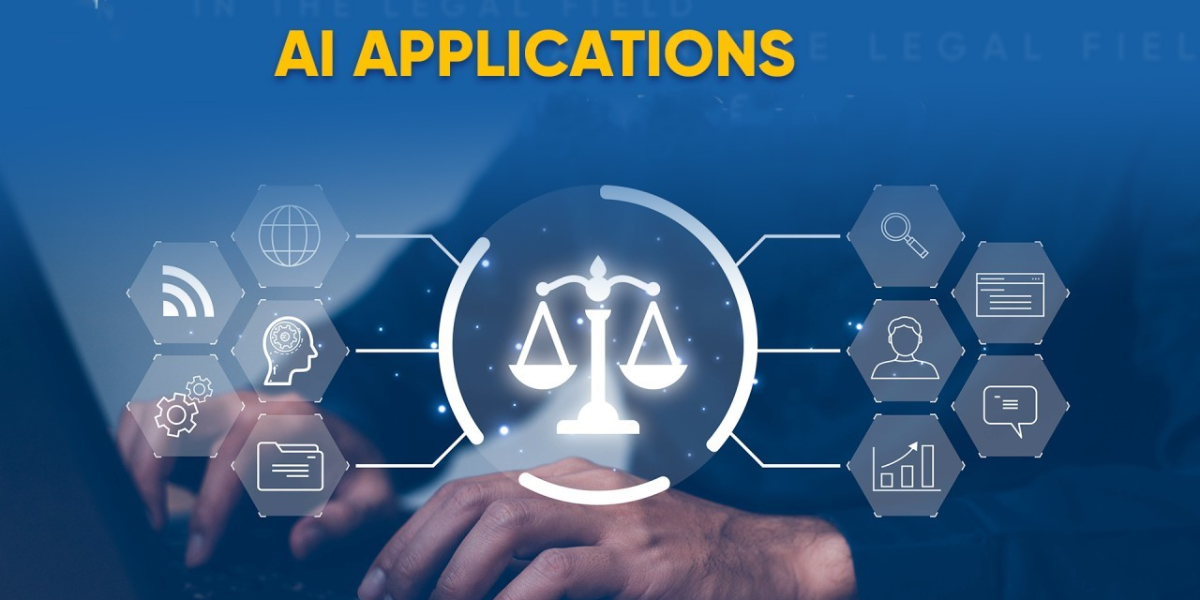
The legal industry has long been defined by stacks of paperwork, endless rows of law books, and hours spent manually reviewing case files. However, the integration of Artificial Intelligence (AI) is sparking a digital transformation within modern law practices. From automating tedious administrative duties to predicting case outcomes based on historical data, machine learning tools are reshaping how lawyers prepare for litigation. Today, legal professionals are utilizing AI to streamline their workflows, allowing them to focus more on high-level strategy and advocacy rather than repetitive document sorting.
Accelerating Legal Research with Predictive Analytics
Traditional legal research requires hours of digging through past rulings, statutes, and judicial opinions to find a single relevant precedent. AI-powered research platforms can analyze millions of legal documents in seconds, cross-referencing keywords and context to pull up the exact cases needed. This dramatic shift toward digital precision and automated data processing mirrors the technological advancements occurring in other rigorous professional disciplines. For example, just as data-driven tools help students analyze complex medical datasets in the Postgraduate Diploma in Medical Laboratory Technology (PGMLT) program, AI helps legal experts dissect dense regulatory texts with unmatched speed.
Enhancing Efficiency in Document Review and Case Organization
Beyond research, case management software driven by AI is helping law firms organize massive amounts of evidence, track deadlines, and draft standard legal contracts. Natural Language Processing (NLP) allows these smart systems to read contracts, flag potential risks, and identify anomalies that a human eye might miss during late-night reviews. This level of meticulous digital compliance and quality control is highly valued across many highly regulated industries. A great parallel can be seen in the strict compliance and safety standards taught to students aiming for a successful Pharmaceutical Sciences Degree Career, where automated precision is essential to avoid human error.
The Growing Need for Tech-Savvy Professionals
As artificial intelligence continues to expand into fields like law, healthcare, and corporate management, the job market is actively seeking professionals who understand how to leverage these digital tools. Forward-thinking academic institutions are updating their academic structures to ensure that graduates are ready to enter a technology-driven workforce. Students who wish to stay ahead of the curve and gain access to these modern, interdisciplinary programs can explore the available enrollment paths by visiting the centralized portal for GIU Admission.
Conclusion
Artificial intelligence is not replacing human lawyers, but it is undoubtedly replacing the outdated, slow manual processes that used to slow them down. By taking over the heavy lifting of document review and predictive legal research, AI allows legal teams to provide faster, more accurate, and cost-effective services to their clients. As these smart technologies continue to mature, adopting an innovative, tech-first mindset will be the defining factor for success in the modern professional landscape