Rapid urbanization is one of the most defining global trends of the twenty-first century, fundamentally altering how people live, work, and interact. As millions migrate to metropolitan centers in search of economic opportunities, cities are expanding at unprecedented rates. While urban environments offer better access to technology, employment, and specialized medical care, they also create unique lifestyle and environmental hazards that directly impact population well-being. Academic institutions, including Green International University, highlight that understanding the connection between city infrastructure and disease patterns is essential for building sustainable and health-conscious communities.
The Dual Impact of Modern City Life
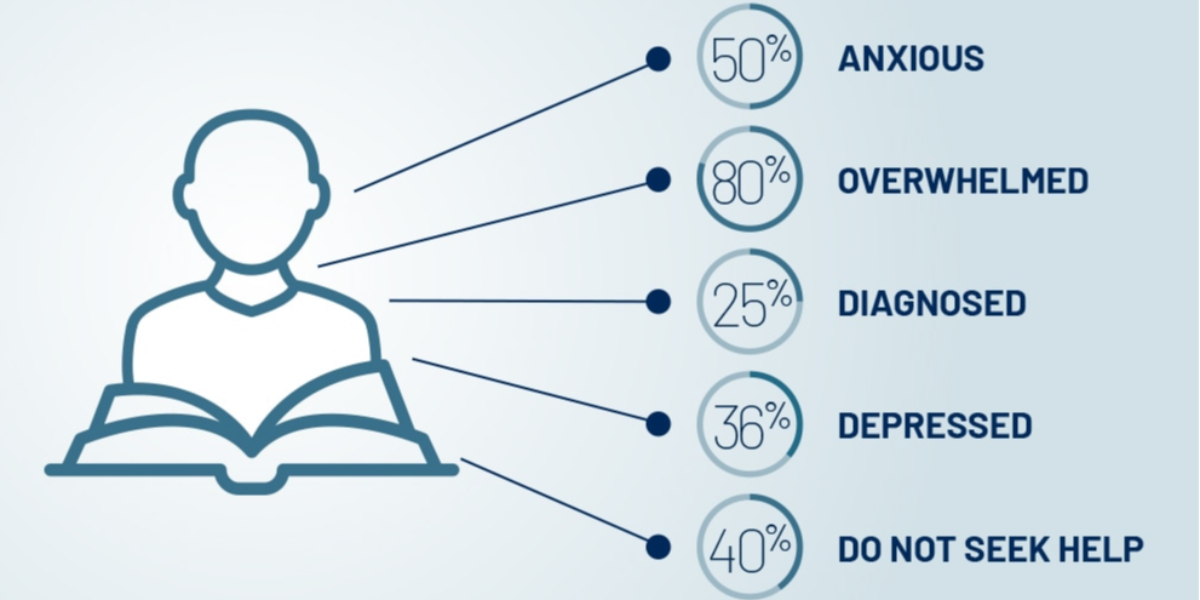
Living in a densely populated urban center presents a complex mix of health benefits and significant public health risks. Dense living conditions often lead to severe air pollution, reduced green spaces, and increased exposure to industrial toxins, all of which contribute to rising rates of chronic respiratory illnesses and cardiovascular diseases. Furthermore, the modern urban environment frequently promotes sedentary lifestyles, dependency on processed foods, and heightened social isolation, leading to sharp increases in obesity, diabetes, and mental health disorders. Without strategic urban planning and proactive health interventions, city growth can quickly outpace healthcare infrastructure, leaving vulnerable populations exposed to preventable health risks.
Addressing Urban Challenges Through Public Health Leadership
Managing the complex relationship between city design and population health requires expert knowledge in epidemiology, health policy, and environmental management. To explore comprehensive articles on how education and policy shape modern health systems, you can read our blogs for insights into evolving healthcare strategies and community wellness initiatives.
Strategic Solutions for Sustainable Cities
Creating healthier urban environments demands systemic changes, including the expansion of public transportation to reduce emissions, the integration of accessible green parks to encourage physical activity, and the implementation of clean water and sanitation systems in rapidly growing suburbs.
Advanced Expertise in Health Policy and Management
Designing scalable interventions for sprawling urban populations requires specialized training in health systems and disease control. Professionals who complete an MS Public Health (MSPH) gain the advanced analytical tools necessary to evaluate urban health hazards, draft evidence-based policies, and lead effective community initiatives that protect city residents.
Conclusion
Urbanization will continue to transform global demographics, but density does not have to come at the expense of human health. By combining smart urban planning, strong public policy, and dedicated public health expertise, cities can be redesigned into safe, vibrant environments that foster long-term health and prosperity for all residents