The modern healthcare ecosystem is shifting rapidly from basic survival outcomes to long-term functional recovery, disability prevention, and lifestyle optimization. As non-communicable diseases, traumatic injuries, post-surgical complications, and age-related physical limitations increase across Pakistan, the demand for highly trained rehabilitation specialists has escalated dramatically. Completing an MS Rehabilitation Sciences degree offers qualified physical therapists, occupational therapists, and healthcare practitioners an advanced academic pathway to deepen clinical expertise, lead innovative medical research, and secure executive clinical positions.
What is the MS Rehabilitation Sciences (MSRS) Program?
The Master of Science in Rehabilitation Sciences is an intensive two-year postgraduate degree framework designed to refine clinical decision-making, advanced therapeutic interventions, and scientific research methodologies. Unlike basic undergraduate clinical qualifications, this master's program trains practitioners to evaluate complex neuromuscular, musculoskeletal, and cardiopulmonary conditions using evidence-based diagnostic protocols.
Overview of the 2-Year Postgraduate Degree
Structured across four academic semesters, the two-year MSRS curriculum bridges specialized clinical coursework with rigorous independent research. The program prepares graduates to operate at the intersection of clinical pathology, biomechanics, functional ergonomics, and public health policy, ensuring that practitioners can formulate individualized treatment plans for challenging patient populations.
Clinical Research Emphasis vs Advanced Patient Management
A fundamental distinction of a master's degree in rehabilitation sciences is its dual focus on research execution and high-level patient care. While undergraduate degrees concentrate on foundational manual techniques and treatment protocols, postgraduate education conditions specialists to critique existing clinical literature, conduct controlled clinical trials, and introduce cutting-edge therapeutic modalities directly into hospital settings.
Core Specializations in Rehabilitation Sciences
Postgraduate studies allow practitioners to narrow their focus toward specific clinical sub-specialties, transforming generalist therapists into highly sought-after clinical consultants who handle complex referral cases.
Physical Therapy & Neuromuscular Rehabilitation
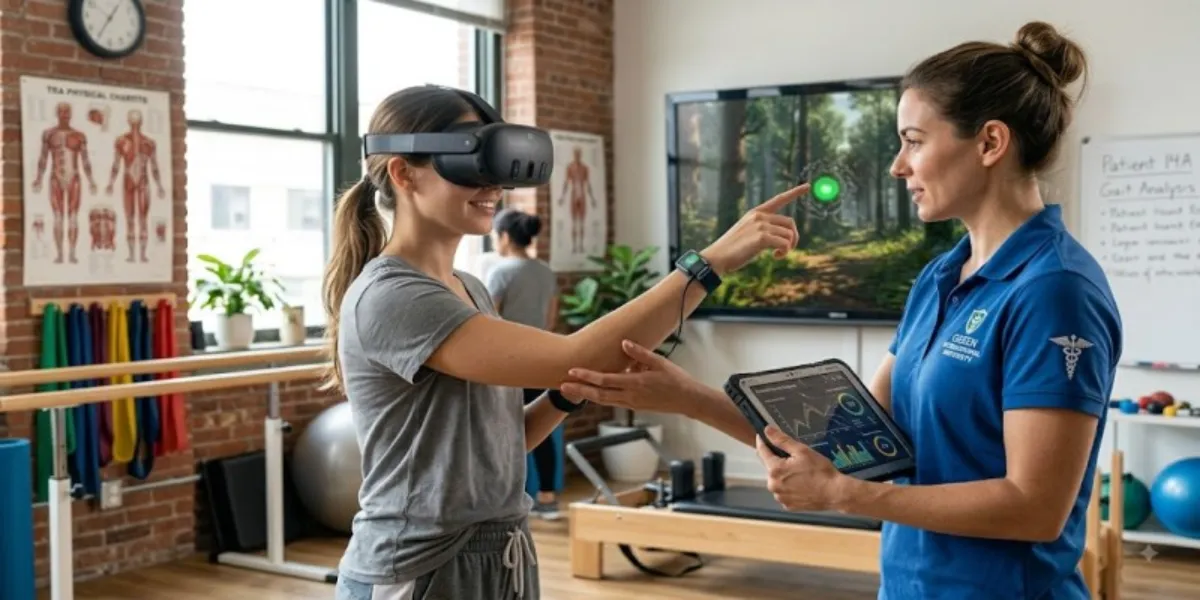
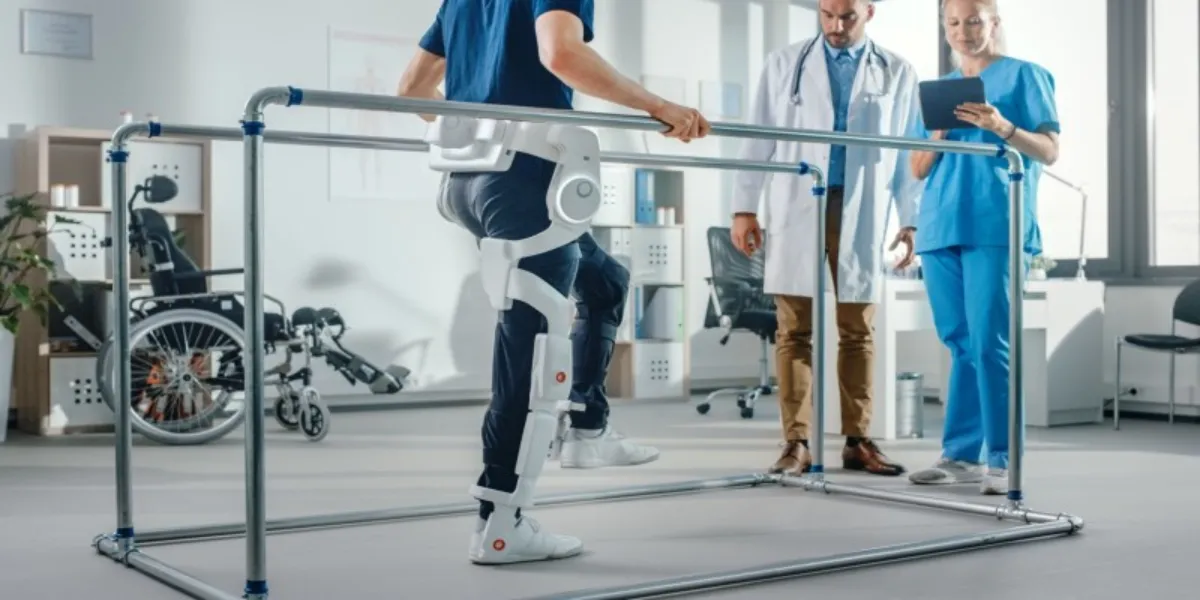
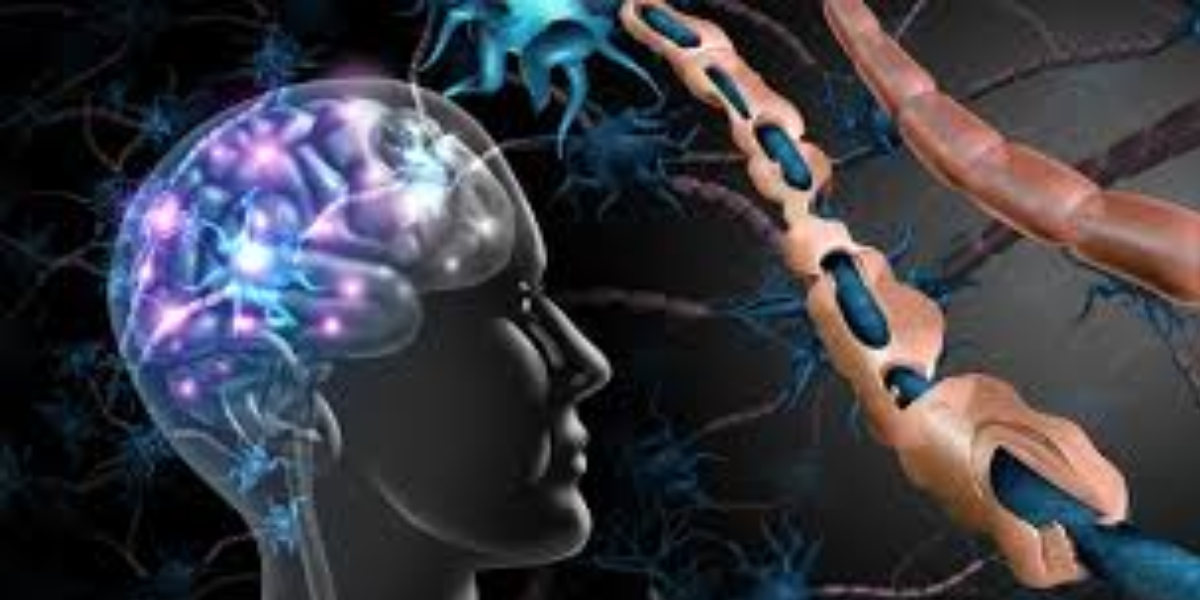
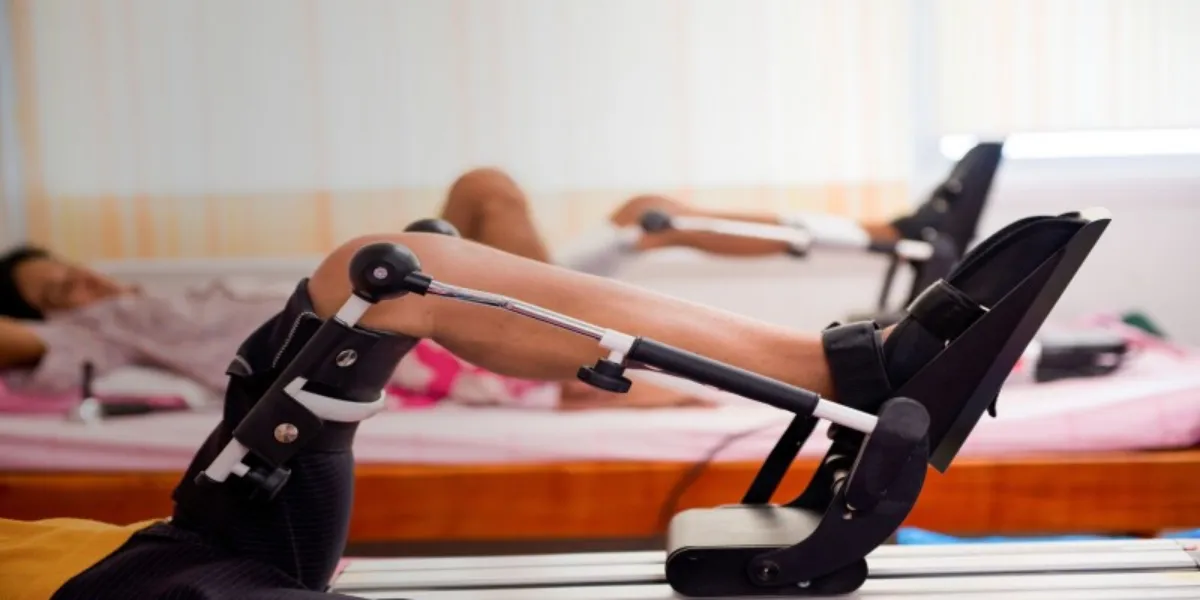
Neuromuscular rehabilitation focuses on assessing and treating patients recovering from stroke, traumatic brain injuries, spinal cord lesions, Parkinson's disease, and multiple sclerosis. Specialists utilize advanced neuro-developmental techniques, neuro-rehabilitation robotics, and task-specific training to rebuild neural pathways and restore motor independence in severely affected individuals.
Orthopedic & Sports Injury Rehabilitation
Orthopedic specialization centers on managing complex musculoskeletal disorders, joint replacements, spinal deformities, and high-impact sports injuries. Practitioners master advanced manual therapy manipulation, dry needling techniques, post-surgical rehabilitation protocols, and biomechanical movement analysis to help athletes and active individuals return to peak physical performance safely.
Pediatric & Geriatric Functional Restoration
Pediatric rehabilitation addresses congenital motor delays, cerebral palsy, and developmental coordination disorders, empowering children to achieve maximum functional autonomy during crucial growth years. Conversely, geriatric rehabilitation focuses on managing balance disorders, osteoporosis, joint degeneration, and fall prevention strategies among elderly populations to preserve dignity, mobility, and independence in daily life.
Advanced Curriculum & Research Competencies Mastered
The rigorous curriculum of a postgraduate program equips healthcare professionals with analytical abilities that extend far beyond standard bedside care, enabling them to innovate inside the clinical environment.
Evidence-Based Clinical Practice & Biomechanics
Students explore deep functional kinesiology, pathomechanics, and human motion analysis. Understanding joint reaction forces, muscle activation patterns, and gait abnormalities allows clinicians to prescribe targeted therapeutic exercises, custom orthotics, and assistive technologies tailored to precise anatomical deficiencies.
Research Methodology, Biostatistics & Master's Thesis Execution
A central requirement of the master's degree is the successful completion and defense of an original research thesis. Students receive comprehensive instruction in epidemiological research design, quantitative biostatistics, clinical trial protocols, and scientific paper writing. Mastering these research tools enables graduates to publish peer-reviewed papers in accredited medical journals and contribute directly to the global body of rehabilitation science.
Scope & Career Opportunities for MSRS Graduates
Holding an advanced master's qualification unlocks diverse employment domains across tertiary medical institutions, academic universities, and specialized private practices. Graduates can step into senior rehabilitation consultant roles where they manage high-acuity rehabilitation wards, lead interdisciplinary medical teams, and structure post-surgical recovery pathways.
Academic institutions like Green International University continuously look for postgraduate degree holders to fill senior lecturer and assistant professor positions. In these roles, faculty members teach undergraduate clinical students, supervise clinical lab rotations, and guide student research dissertations. Furthermore, clinicians can establish independent specialty centers focusing on spinal rehabilitation, stroke recovery, or sports therapy, or work as clinical research scientists conducting trials for global research bodies.
Salary Expectations and Earning Potential in Pakistan
Earning potential for master's-qualified rehabilitation specialists reflects their advanced clinical autonomy, academic eligibility, and specialized expertise. Entry-level MSRS graduates in hospital or academic faculty roles typically earn between PKR 75,000 and PKR 110,000 per month as senior clinical physical therapists or university lecturers.
Mid-level specialists and assistant professors with three to six years of post-MS experience frequently earn between PKR 130,000 and PKR 220,000 per month as department heads or full-time academic leaders. Meanwhile, master's-qualified therapists who operate successful private rehabilitation centers or specialized sports therapy clinics frequently see monthly earnings ranging from PKR 300,000 to PKR 600,000 or more, driven by steady patient consultation volumes and specialized clinical treatment packages.
Eligibility Criteria and GIU Admission Process
Applying for an MSRS postgraduate program requires holding a recognized undergraduate professional degree, such as a Doctor of Physical Therapy (DPT), BS Occupational Therapy, or equivalent four-to-five-year clinical health qualification from an accredited university. Candidates must also meet national Higher Education Commission CGPA thresholds or pass relevant entry tests.
If you are ready to elevate your clinical skills, lead impactful medical research, and advance your career into clinical leadership, you can review program requirements, research facility details, and online registration forms through the official portal for GIU Admission to secure your placement in the upcoming academic intake.
Conclusion
Advancing your clinical practice through an MS in Rehabilitation Sciences is one of the most rewarding strategic investments a healthcare professional can make in Pakistan today. By bridging advanced biomechanical knowledge, specialized clinical techniques, and scientific research methodologies, this two-year postgraduate degree prepares you to solve complex physical recovery challenges and lead healthcare teams with authority. Pursuing higher education in rehabilitation sciences ensures that you remain at the cutting edge of clinical medicine while significantly boosting your professional status, financial earnings, and capacity to transform patient lives for the better.