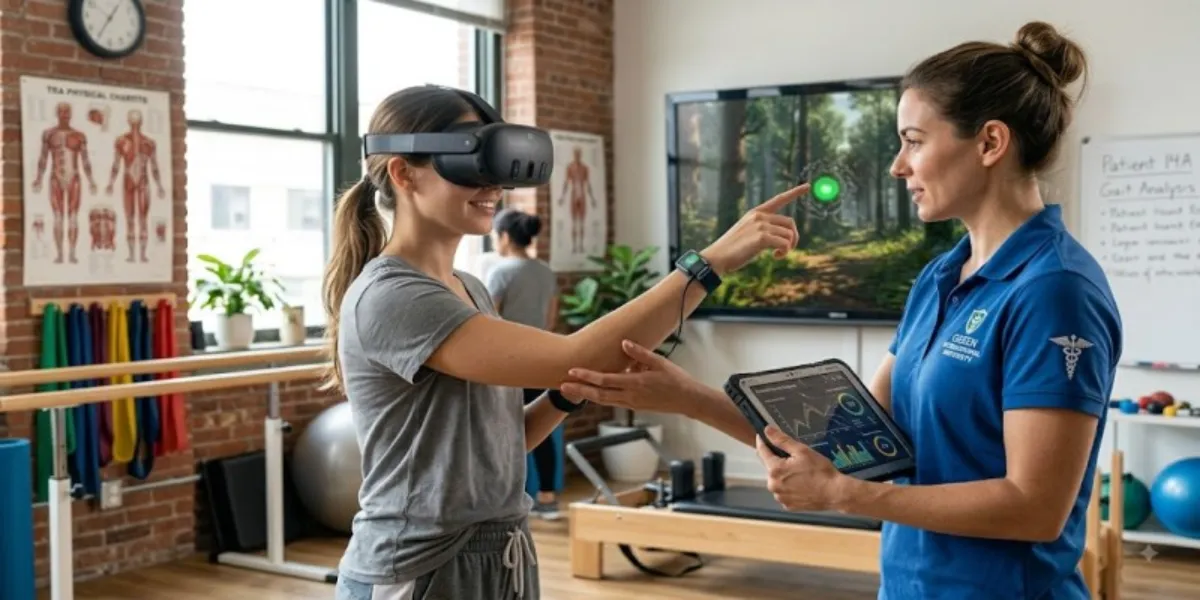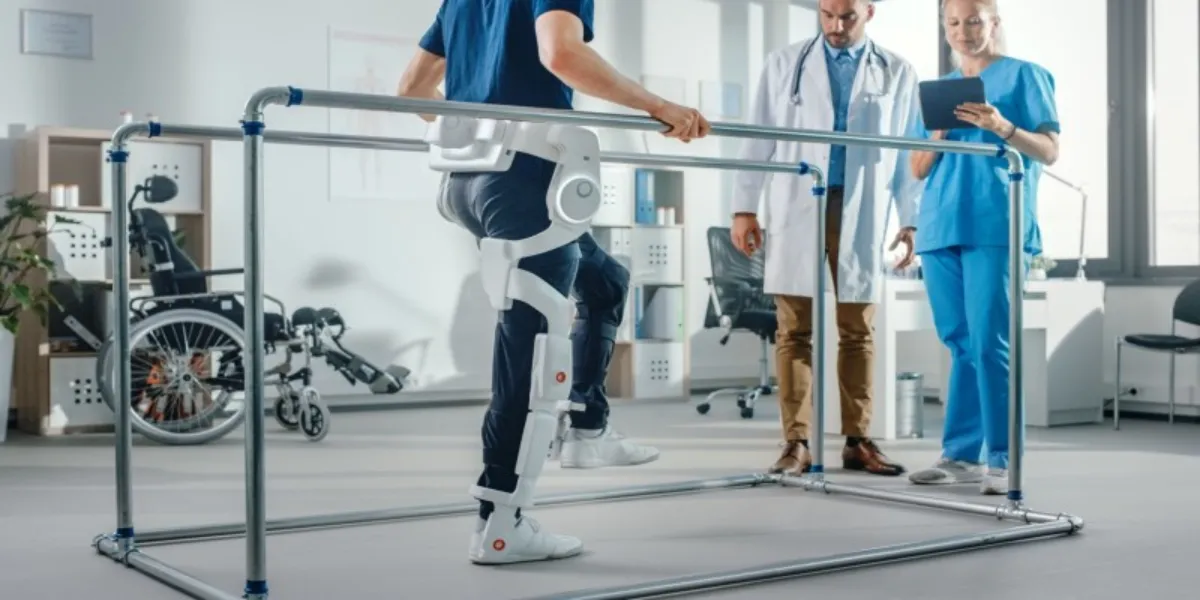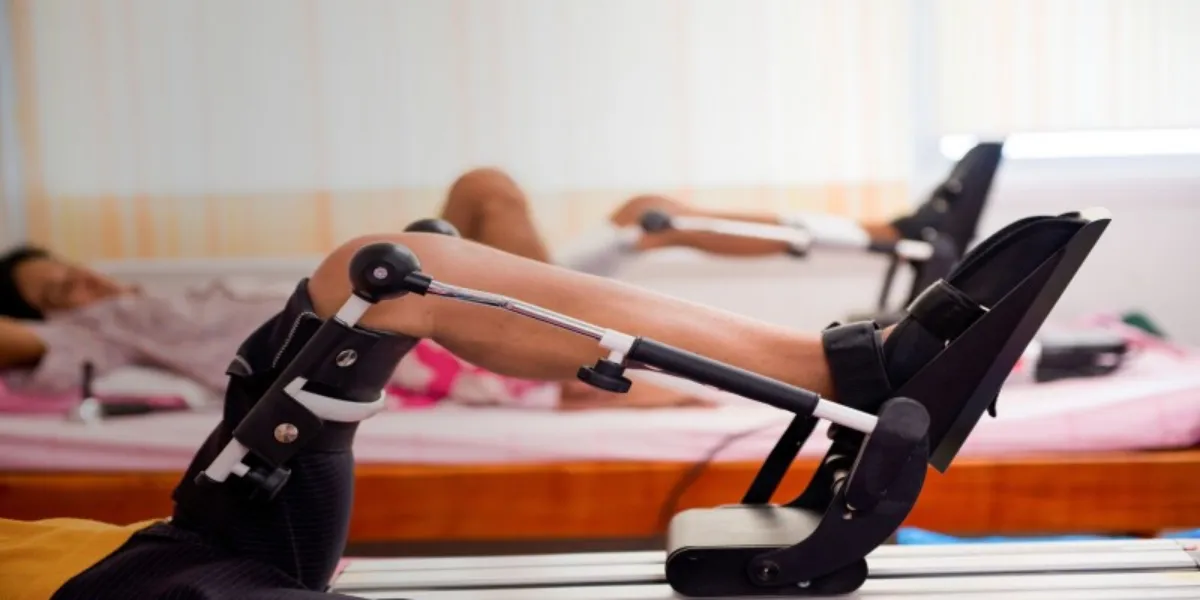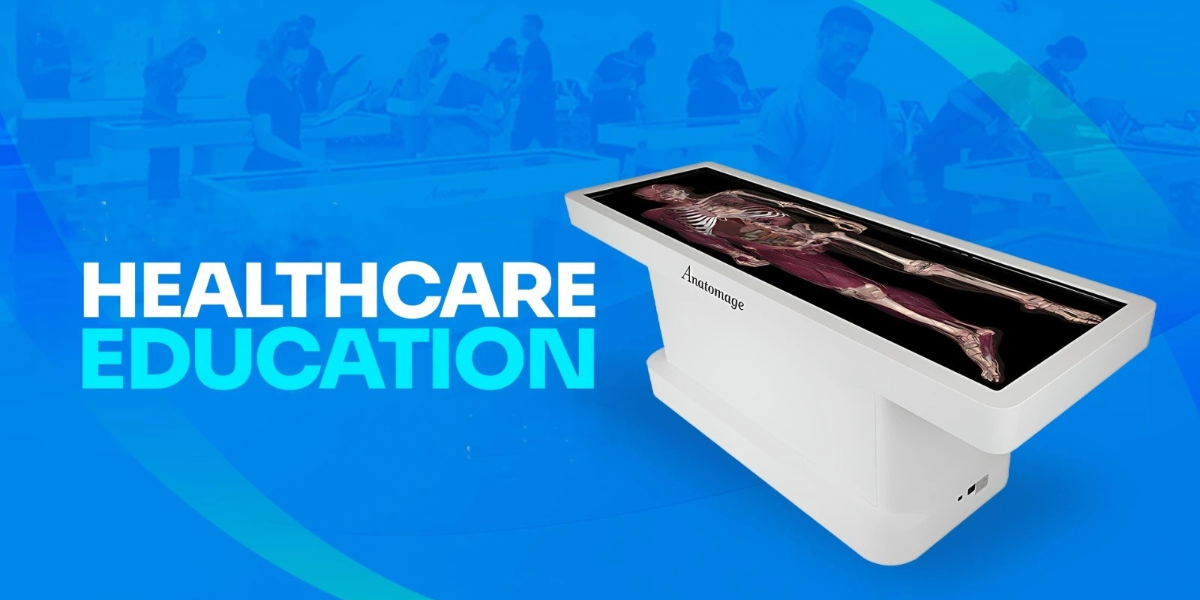
The landscape of healthcare education is undergoing a massive transformation worldwide, and Pakistan is no exception. Traditionally, medical and nursing students learned clinical skills directly at the patient’s bedside or through textbook diagrams. While clinical rotations remain essential, the introduction of advanced clinical simulation labs has revolutionized how students prepare for the high-stakes world of healthcare. These labs provide a controlled, risk-free environment where future professionals can practice complex procedures until they achieve perfection.
A Safe Space for Experiential Learning and Skill Mastery
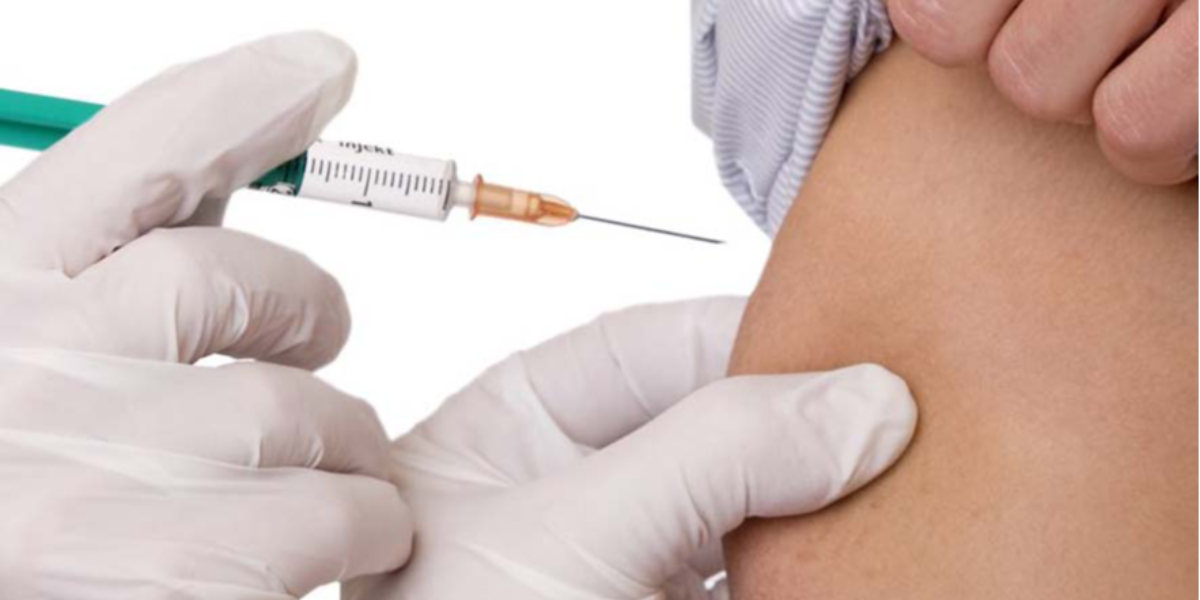
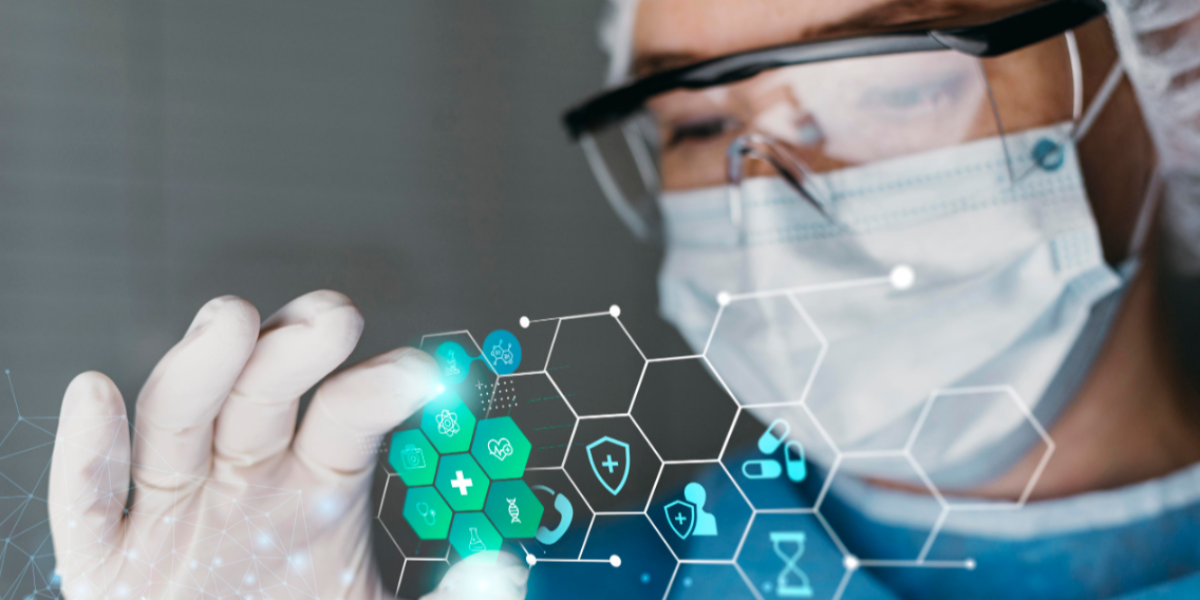
Clinical simulation labs act as a crucial bridge between theoretical knowledge and real-world medical practice. Inside these facilities, students interact with high-fidelity mannequins that can mimic human vital signs, exhibit symptoms, and even react to medications just like a real patient. This immersive setup allows students to make critical decisions, experience the consequences of those decisions, and learn from mistakes without ever compromising patient safety. Mastering these technical skills early on ensures that graduates enter hospitals with high confidence and precision.
Elevating Public Health Leadership and Patient Care Standards
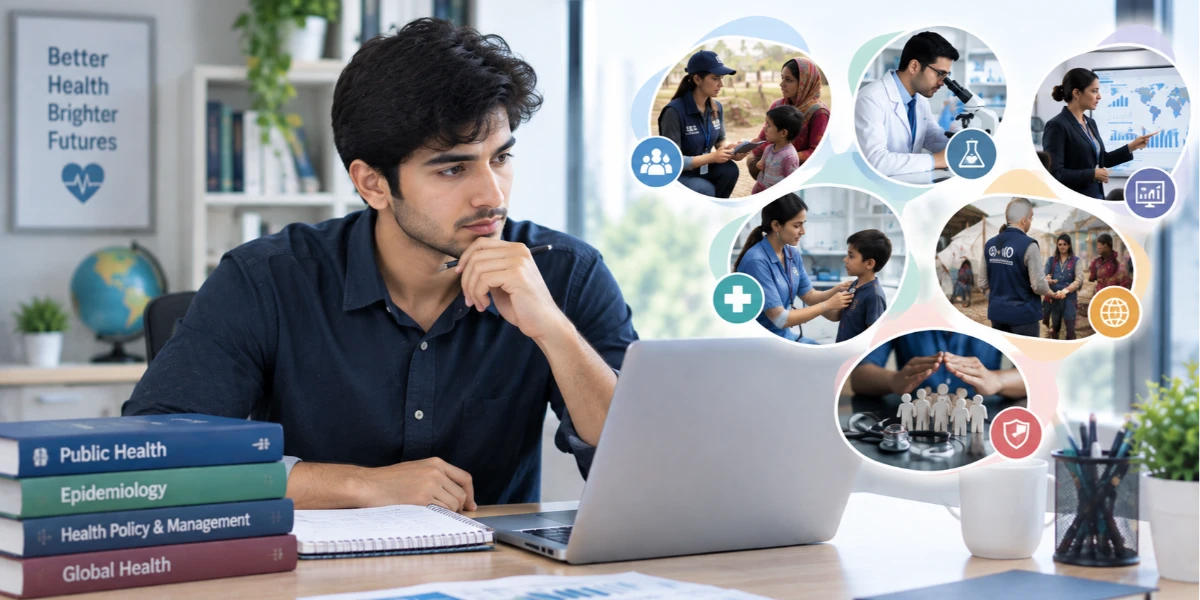
Modern healthcare is not just about treating individual illnesses; it is also about understanding broader community health dynamics and preventative strategies. Simulation labs help students look at the bigger picture of patient management and healthcare systems. This comprehensive approach to medical training is highly beneficial for those pursuing public health paths, such as the BS Public Health BSPH Program, where developing leaders who can manage crises and build stronger, safer community healthcare infrastructures is the core objective.
Modern Medical Infrastructure in Pakistani Higher Education
Building these advanced training facilities requires massive investment and a forward-thinking vision from academic institutions. Progressive educational hubs in Pakistan are actively upgrading their campuses to house world-class medical equipment and simulation technology. Institutions like Green International University are leading this charge by integrating state-of-the-art labs into their medical and allied health sciences curricula, ensuring that their students are trained on global standards using the latest industry tools.
Taking the First Step Toward a Medical Career
As the demand for highly skilled medical professionals, nurses, and allied health experts continues to climb, choosing an institution with the right practical infrastructure becomes a deciding factor for student success. Aspiring students looking to secure a place in these modern, tech-driven medical programs can explore current enrollment opportunities and program requirements by visiting the official portal for GIU Admission.
Conclusion
Clinical simulation labs are no longer just an optional luxury in healthcare education; they are a fundamental pillar of modern medical training. By providing a safe environment to practice, fail, and improve, these labs ensure that the next generation of healthcare workers is fully prepared for real-world challenges. Ultimately, investing in simulation technology is a direct investment in better patient outcomes and a stronger, more resilient healthcare system for the entire country