The field of anesthesia has come a long way since the days of simple ether inhalers. Today, it stands at the intersection of advanced pharmacology, real-time data analytics, and precision engineering, driving a massive demand for specialized professionals trained through programs like the BS Anaesthesia Technology degree. As modern healthcare shifts toward highly personalized, efficient, and patient-centric care, anesthesia technology is evolving at a breakneck pace. These emerging trends are redefining operating rooms and shaping the educational landscape for the next generation of healthcare professionals.
Artificial Intelligence and Closed-Loop Delivery Systems
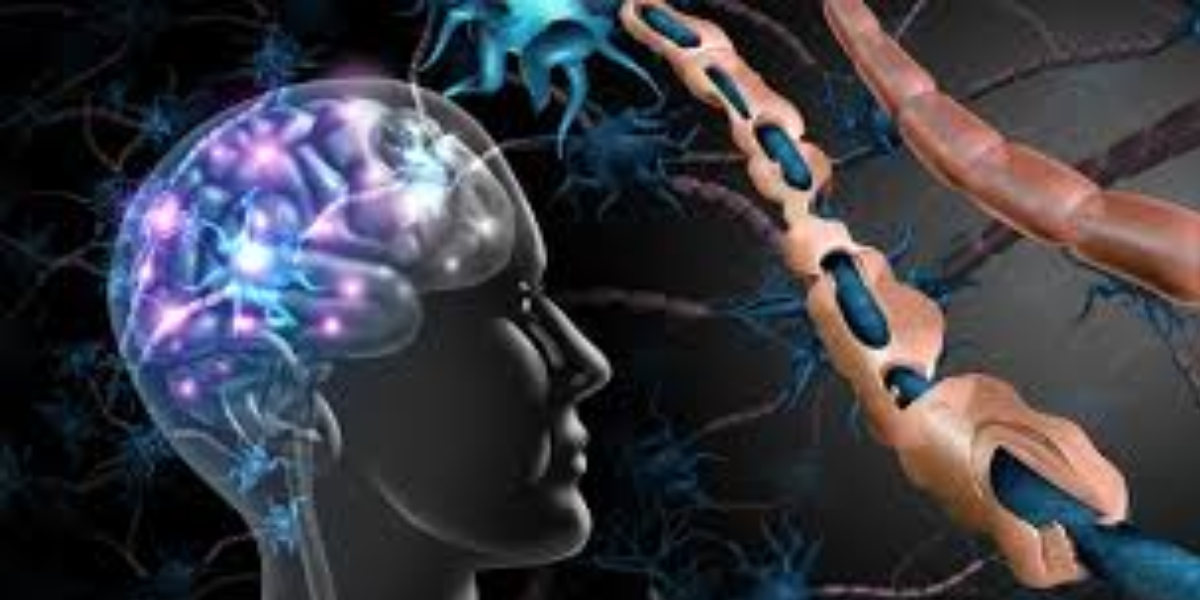
One of the most revolutionary trends in modern healthcare is the integration of Artificial Intelligence (AI) and machine learning into anesthesia delivery. Traditional anesthesia relies heavily on the continuous monitoring and manual adjustments of the clinician. However, closed-loop anesthetic delivery (CLAD) systems are changing the game.
These systems use real-time patient data such as blood pressure, heart rate, and depth of anesthesia via processed electroencephalogram (EEG) monitoring to automatically adjust drug infusion rates. AI algorithms predict patient responses and maintain an optimal state of anesthesia, minimizing the risks of under-dosing or over-dosing.
Advanced Monitoring and Wearable Tech
Modern anesthesia technology is moving beyond the bulky, stationary monitors of the past. The future lies in non-invasive, continuous monitoring solutions that offer unprecedented data fidelity.
Advanced Hemodynamic Monitoring
New sensor technologies allow for the continuous tracking of cardiac output, stroke volume, and tissue oxygenation without the need for invasive arterial lines.
Smart Wearables
Pre- and post-operative care are being enhanced by wearable sensors that track vital signs before the patient even enters the operating room and continue monitoring them during recovery.
Targeted Precision: Ultrasound-Guided Regional Anesthesia
While general anesthesia remains vital, modern healthcare heavily prioritizes regional anesthesia (blocking pain in a specific nerve region) because it reduces opioid consumption and speeds up patient recovery times.
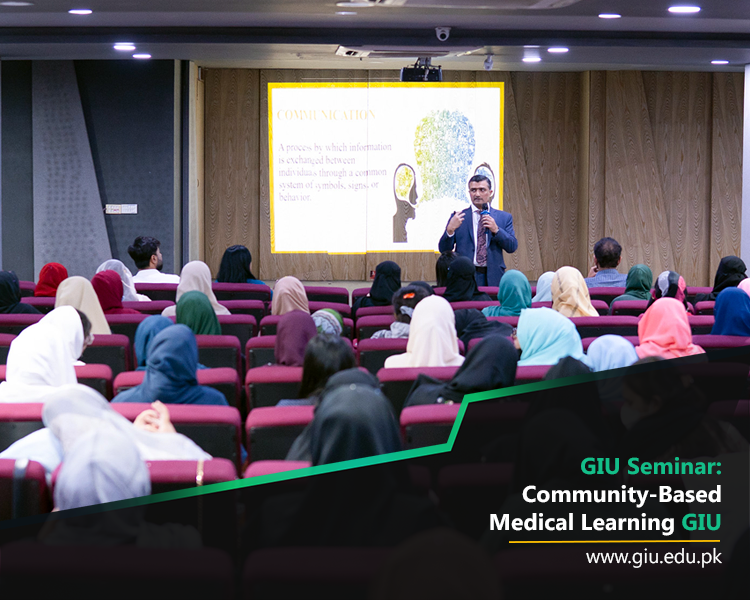
To prepare professionals for these environments, institutions like Green International University are integrating advanced clinical training directly into their medical sciences tracks. The widespread adoption of high-resolution, portable ultrasound technology has turned regional nerve blocks into a precise art. Anesthesia technologists can now visualize nerves, blood vessels, and adjacent anatomical structures in real time, ensuring the local anesthetic is delivered exactly where it is needed with minimal risk of nerve damage or accidental vascular injection.
The Growth of Specialized Training Programs
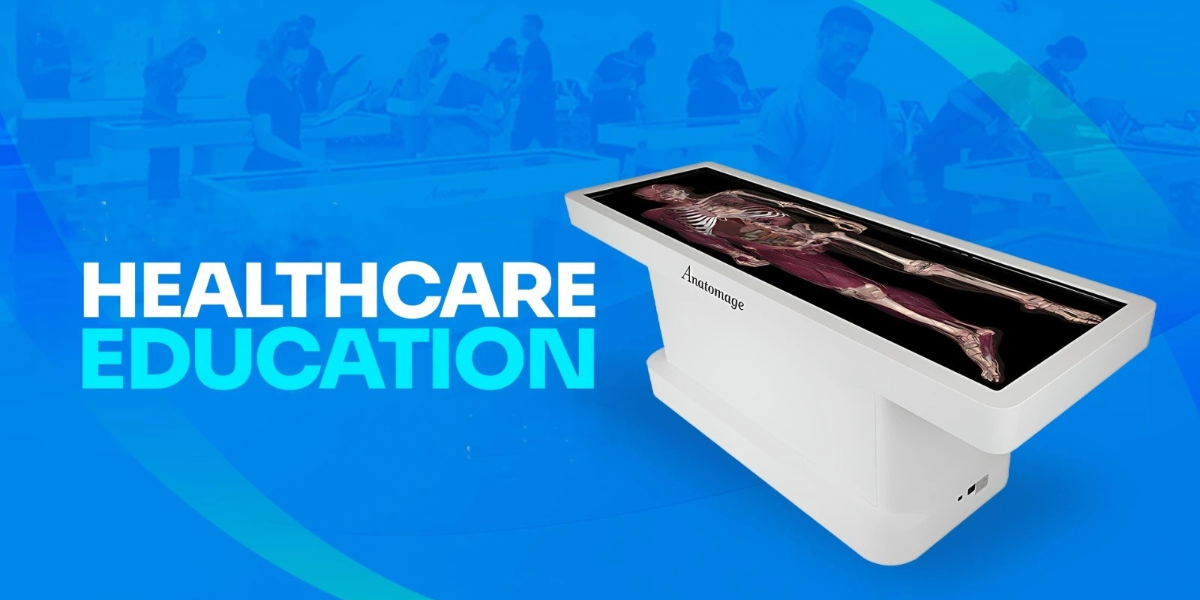
As the machinery and software in the operating room grow more complex, the demand for highly skilled allied health professionals has skyrocketed. Operating an AI-driven anesthesia workstation or managing complex monitoring arrays requires specialized academic training. These modern curricula bridge the gap between complex medical engineering and clinical application, training technologists to manage advanced delivery systems, troubleshoot technical anomalies during critical care, and support anesthesiologists in high-stakes environments.
Bridging Advanced Technology and Community Health
While cutting-edge technology thrives inside high-tech surgical theaters, a major trend in modern healthcare is finding ways to adapt medical advancements for community outreach and global health initiatives. Portable anesthesia machines, point-of-care ultrasound devices, and mobile monitoring tech are increasingly being deployed outside traditional hospital walls to provide essential diagnostic and surgical screenings to underserved populations.
Demonstrating this commitment to public wellness, initiatives like the Free Medical and Diagnostic Camp showcase how healthcare entities are taking clinical expertise and diagnostic tools directly to communities that lack immediate access to major medical centers.
Conclusion
The future of anesthesia technology is safer, more precise, and highly data-driven. By automating routine delivery tasks through AI, utilizing high-resolution imaging for targeted pain management, and training a new generation of specialized technologists to handle these complex systems, modern healthcare is significantly reducing human error and improving patient outcomes.
Ultimately, the future of anesthesia technology is anchored in the perfect harmony between automated precision and human expertise. As AI-driven delivery systems, advanced non-invasive monitors, and high-resolution imaging continue to minimize surgical risks, the role of highly trained anesthesia technologists becomes more critical than ever.
By integrating these cutting-edge technical advancements into modern healthcare systems and academic training, the medical field is unlocking unprecedented levels of patient safety, faster recovery times, and more accessible care for communities everywhere