Rehabilitation medicine is undergoing a profound shift through the power of modern technology. The introduction of artificial intelligence is creating new avenues for recovery, allowing care providers to deliver personalized, data-driven treatment plans. For foundational knowledge in this expanding domain, you can explore the BS Rehabilitation Science program.
The Transformation of Patient Care
Traditional physical therapy often relies on periodic evaluations and visual observations. Artificial intelligence replaces subjective assessments with real-time biometric tracking, dynamic adjustments, and predictive analytics.
Advanced Motion Tracking and Computer Vision
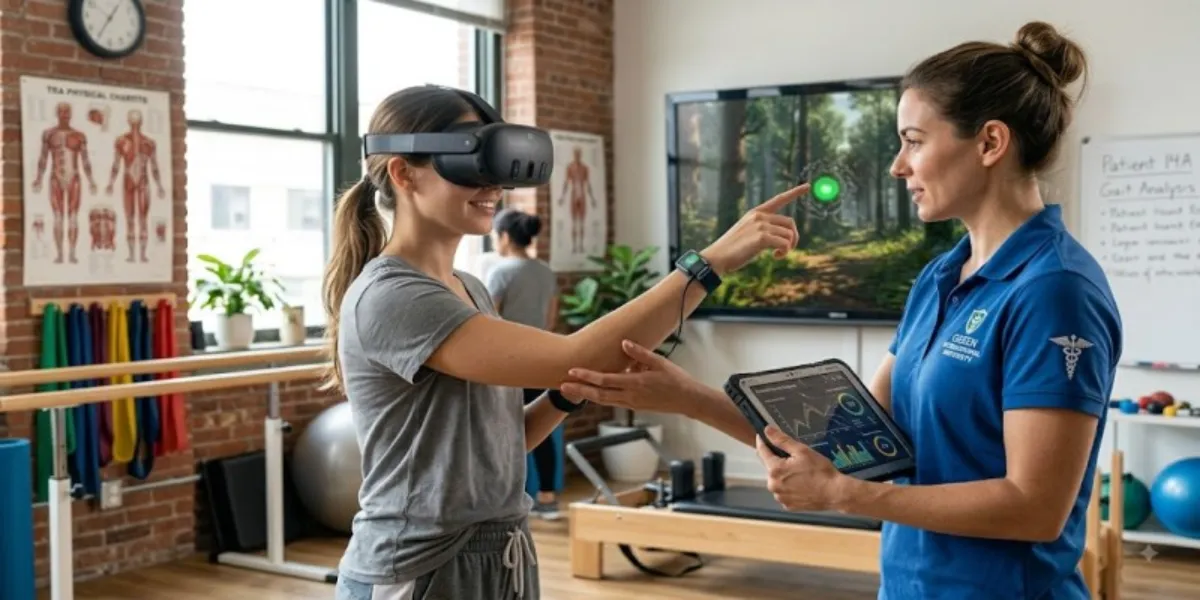
Computer vision models analyze patient movement through camera feeds to measure joint angles and body positioning. Immediate audio or visual feedback helps patients maintain correct form during therapeutic exercises without requiring constant direct supervision.
Robotics and Adaptive Exoskeletons
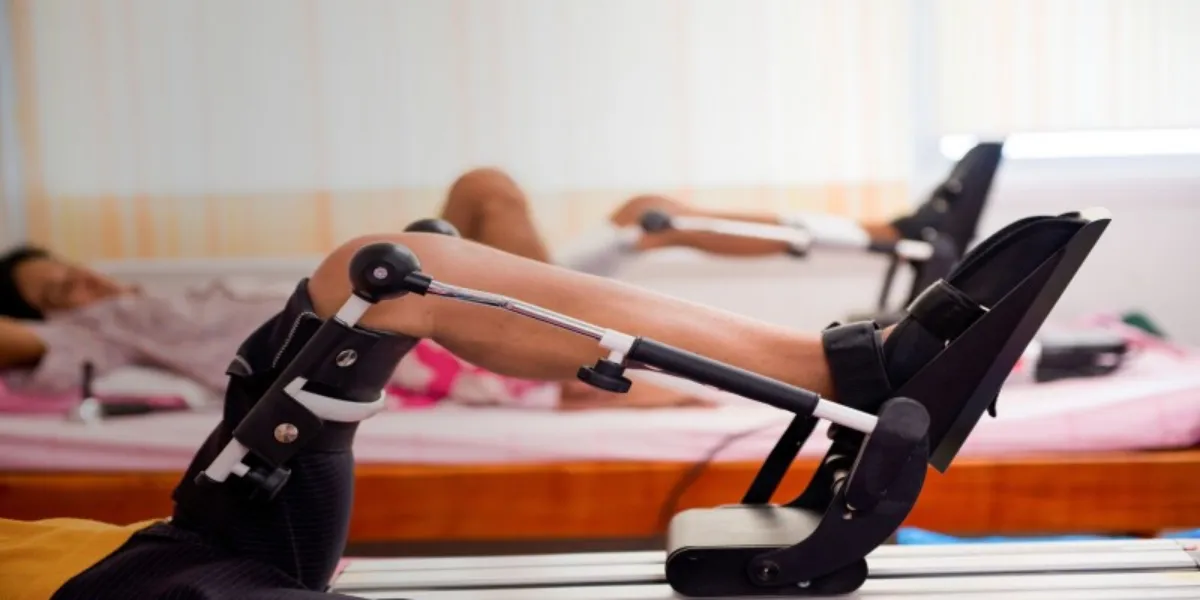
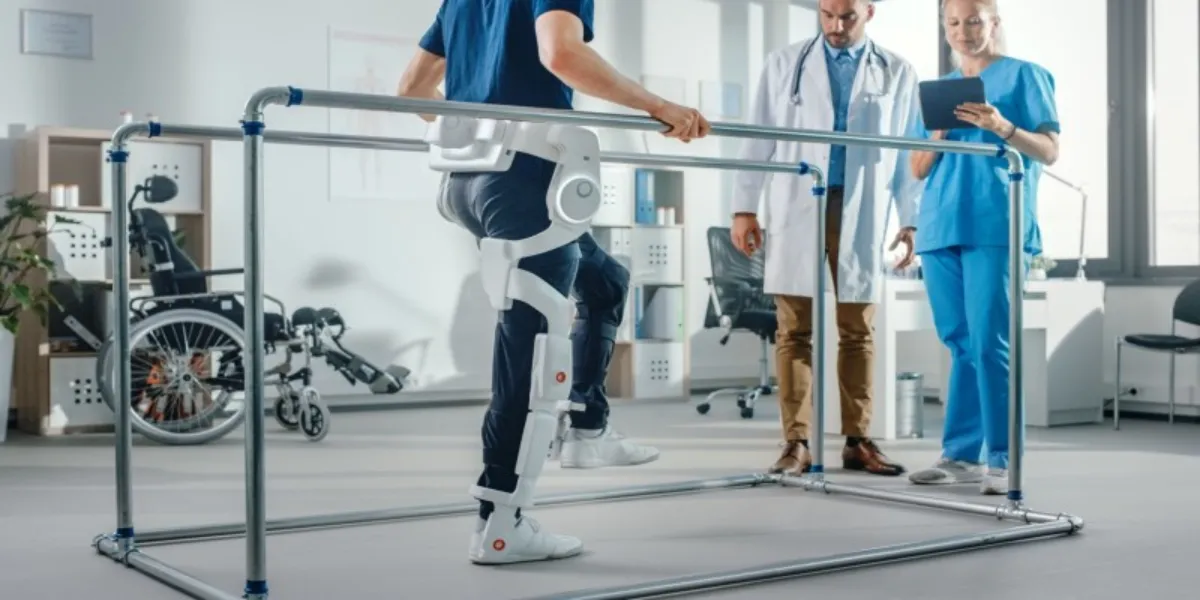
Interactive robotics assist patients undergoing neurorehabilitation by supplying physical support during motion therapy. These systems measure the user's active effort and automatically adapt resistance or guidance levels to promote neuroplasticity.
Smart Wearables and Telerehabilitation
Sensor-equipped wearables allow physical therapists to track gait symmetry, balance, and activity levels outside of clinical settings. Continuous remote data delivery enables timely updates to recovery protocols while patients heal at home.
Strategic Educational Foundations
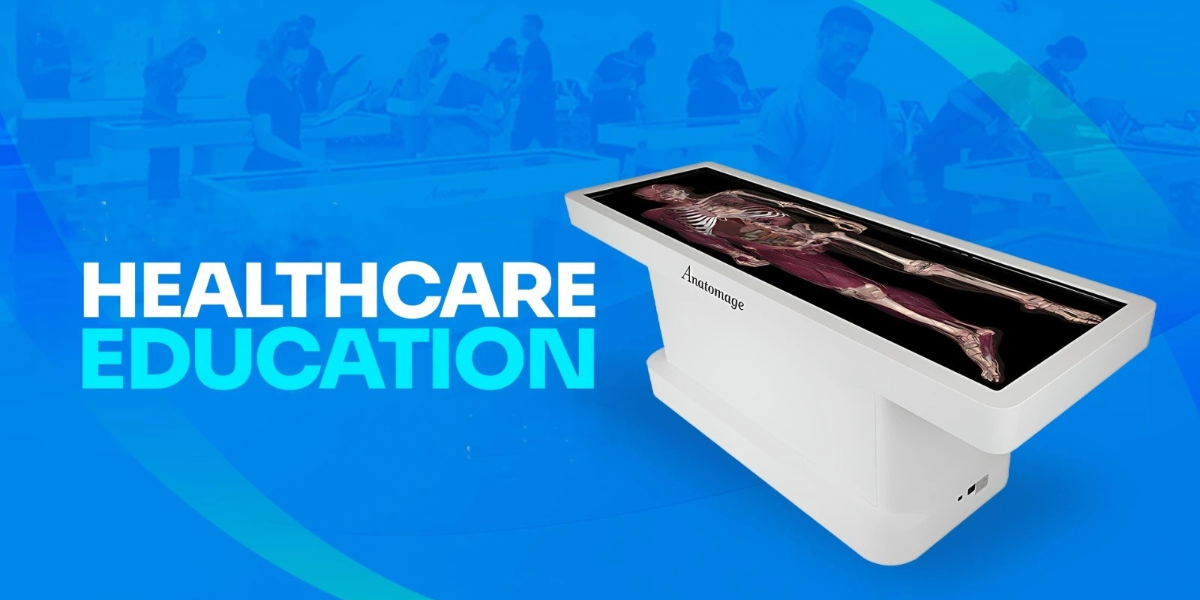
Modern healthcare delivery requires skilled clinicians who understand both human anatomy and technological applications. Academic institutions like Green International University prepare future healthcare specialists to navigate these advanced technological environments safely and effectively.
Expanding Career Opportunities
As artificial intelligence platforms become standard in medical systems, specialized training becomes vital for clinicians seeking leadership roles. Practicing therapists looking to broaden their administrative and clinical capabilities can read about ways to Advance Your Clinical Practice through postgraduate studies.
Ethical and Implementation Factors
Integrating intelligent systems into clinical environments requires addressing critical operational considerations. Data privacy standards must protect sensitive patient biometric records, while automated evaluation models need rigorous validation across diverse patient populations to guarantee equitable outcomes.
Conclusion
Artificial intelligence is fundamentally reshaping the landscape of physical recovery by merging precision technology with human-centered care. Rather than replacing the essential hands-on expertise of physical and occupational therapists, smart systems enhance clinical outcomes through objective movement tracking, continuous remote monitoring, and personalized therapeutic interventions. As technology continues to evolve, the integration of intelligent algorithms into rehabilitation frameworks promises to make patient care more efficient, accessible, and successful, establishing a new standard of excellence for the future of physical medicine.