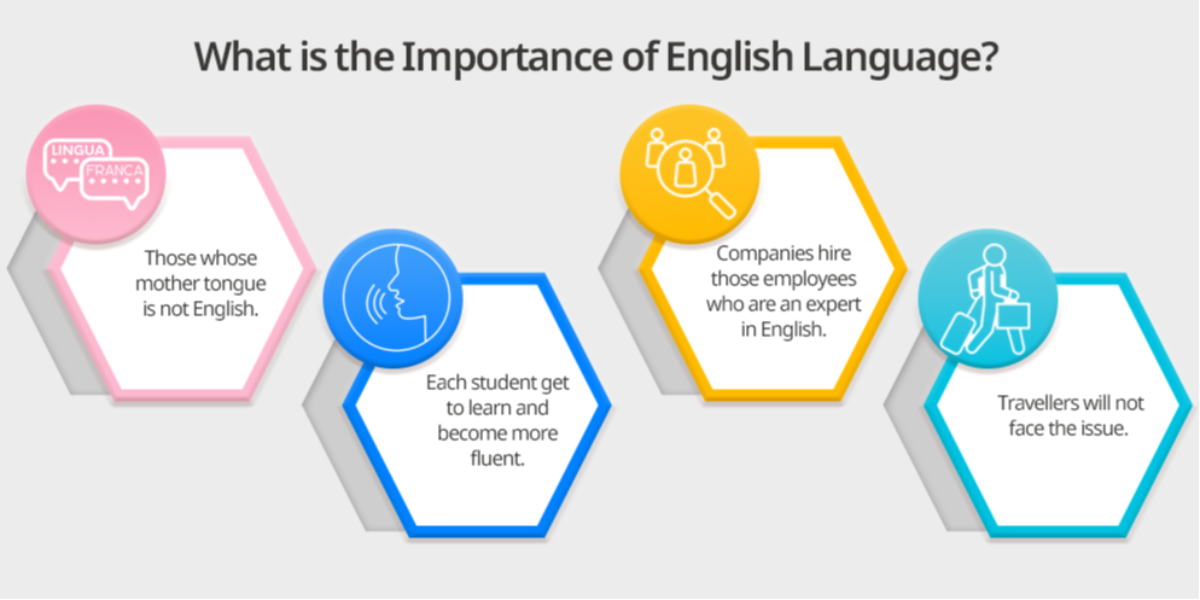
English is more than a subject taught in classrooms, it's the working language of education, research, publishing, business, media, and digital content worldwide. For students drawn to reading, writing, literature, and communication, a BS English degree offers a broad academic foundation and multiple career paths.
But what does the degree actually involve? What subjects does it cover, how is the program structured, and what can graduates do once they finish? This guide walks through the degree itself, its core academic areas, the skills it builds, and the career scope of BS English in Pakistan.
What Is a BS English Degree?
BS English is an undergraduate degree that blends the study of the English language with literature, linguistics, writing, critical analysis, and research. Curricula varies by university, but most programs go well beyond basic language instruction, students learn how language functions, how literary texts are constructed and interpreted, and how to communicate ideas effectively in writing and speech.
The full form of BS English is Bachelor of Science in English. Many students search for "what is BS in English" wondering whether it's purely language-focused or also covers literature and linguistics, in practice, most programs include all three.
This makes the degree a good fit both for students passionate about literature and language, and for those looking to build transferable skills in writing, communication, research, and teaching.
What Do You Study in BS English?
The exact subject list differs from one university to another, but most BS English programs combine language, literature, linguistics, writing, research, and general education courses.
Common areas of study include:
- English language and communication
- Academic and professional writing
- English literature
- Poetry, drama, and fiction
- Literary criticism and theory
- Linguistics
- Phonetics and phonology
- Syntax and language structure
- Sociolinguistics
- Research methods
- Creative writing
- Communication and presentation
- University-specific electives
Because course names and credit-hour requirements vary by institution, there's no single "total subjects" number that applies universally. Always check the current curriculum of the specific university you're considering rather than relying on a generic list found online.
BS English Subjects and Syllabus Across the Semesters
Most BS English programs build knowledge progressively, students move from foundational courses toward increasingly specialized study in language, literature, linguistics, and research.
|
|
|
|
|
|
|
|
|
|
|
|
|
|
|
The first semester typically introduces foundational academic and language skills before students move into more advanced territory. At Green International University (GIU), the BS English program follows this same progressive structure, combining core literature and linguistics courses with practical writing and communication training designed to prepare students for real career paths, not just academic study. You can review the full breakdown on the GIU BS English program page for current course details, credit hours, and admission requirements.
What Skills Do Students Develop During BS English?
One of the degree's biggest strengths is that its skills transfer far beyond traditional English-related jobs.
Critical and Analytical Thinking
Literary texts and academic arguments push students to examine ideas rather than accept them at face value. Students learn to identify themes, evaluate arguments, compare perspectives, and back up interpretations with evidence.
Writing and Communication
Regular essays, presentations, and research assignments sharpen both written and verbal communication skills that carry over into classrooms, offices, media organizations, and digital workplaces.
Research Skills
Students learn to locate information, evaluate sources, organize evidence, and present findings in academic format, abilities that matter especially for postgraduate study and research-driven careers.
Editing and Language Skills
A solid grasp of grammar, structure, vocabulary, and style prepares graduates for work in editing, proofreading, publishing, and content development.
In short, the value of a BS English degree goes well beyond "writing correct English", it builds a combination of communication, research, analytical, and writing skills applicable across many professional environments.
What Is the Scope of BS English in Pakistan?
The scope of BS English in Pakistan is tied directly to how widely English is used across education, business, publishing, media, and digital content. And importantly, that scope isn't limited to teaching, graduates can branch into several career directions depending on their interests and skills.
Education and Teaching
Teaching remains one of the most common paths for English graduates, with opportunities in schools, colleges, language institutes, and tutoring. Note that specific teaching roles often come with their own certification or experience requirements, check these before applying.
Writing and Content
Digital businesses, websites, agencies, and publishers all need people who can research and communicate clearly. Depending on their skills, graduates may work as:
- Content writers
- Copywriters
- Blog writers
- Editorial assistants
- Proofreaders
- Editors
- Content specialists
Picking up SEO, content management systems, and basic digital marketing knowledge makes these writing skills far more relevant to today's digital landscape.
Publishing and Editing
For students who enjoy close work with written material, publishing and editorial roles are a natural fit. Good editing takes more than grammar, it requires an eye for clarity, structure, consistency, and audience.
Media and Communications
Graduates can apply their communication skills to media and organizational roles involving writing, editorial support, or content development, depending on the employer.
Public Relations and Marketing
Since PR and marketing run on communication, graduates with strong writing skills and audience awareness often find opportunities in copywriting, PR, and content-related roles.
Research and Academia
Students drawn to academic work can pursue postgraduate study, opening doors to specialized work in literature, linguistics, education, or communication.
What Jobs Can You Get After BS English in Pakistan?
There's no single answer here, outcomes shift based on each graduate's portfolio, internships, digital skills, and how proactively they built experience during their degree.
|
|
|
|
|
|
|
|
|
|
|
|
|
|
|
|
|
|
|
|
|
|
|
|
|
|
|
|
|
|
Keep in mind: the degree alone doesn't guarantee a job. Employers often look for practical experience, writing samples, digital skills, internships, and strong communication ability alongside the qualification itself.
How Can Students Prepare for Their Careers During BS English?
The best way to boost the real-world value of a BS English degree is to start building career-relevant skills before graduation. Students can:
- Build a portfolio of original writing
- Practice academic and professional writing
- Learn SEO and content writing
- Develop editing and proofreading skills
- Improve presentation and public-speaking abilities
- Gain tutoring or teaching experience
- Get involved in university publications or writing activities
- Learn basic content management tools
- Complete relevant internships where available
- Strengthen research and referencing skills
A student interested in digital content, for instance, might pair English studies with SEO and content strategy. Someone leaning toward education can gain teaching experience alongside coursework. A future editor might focus more heavily on editing, proofreading, and literary analysis. This kind of intentional preparation means graduating with both academic knowledge and proof of practical ability.
Can You Study BS English Privately?
Students exploring private study options should first understand the difference between private, distance, online, and on-campus formats; these aren't offered identically (or at all) by every university.
Before enrolling, confirm that the institution currently offers the program in your preferred mode of study, and that the degree is recognized by the relevant authorities. Also check admission requirements, assessment methods, attendance policies, and exam arrangements, since these vary between institutions.
Is BS English the Right Degree for You?
BS English suits students who genuinely enjoy language, literature, reading, writing, analysis, and communication, and it opens doors well beyond traditional teaching.
That said, it's worth thinking ahead about how you'll use the degree. A student aiming for digital careers may want to build SEO and content skills alongside their coursework. Someone interested in academia might lean into literature, linguistics, or research before pursuing postgraduate study. A future teacher should look into any additional certifications their preferred role requires.
The real question isn't whether English "has scope", it's how you plan to pair the degree with practical skills and clear career goals.
Frequently Asked Questions
What is the full form of BS English?
BS English stands for Bachelor of Science in English, an undergraduate degree covering English language, literature, linguistics, writing, and research.
What are the main BS English subjects?
Subjects vary by university but typically include English literature, linguistics, academic writing, literary criticism, language studies, research methods, and communication.
How many subjects are there in BS English?
There's no universal number, it depends on the university's curriculum, compulsory courses, electives, and credit-hour structure.
What is the scope of BS English in Pakistan?
Graduates can pursue education, writing, editing, publishing, communications, media, marketing, research, and related fields, with specific requirements varying by employer.
What jobs can I get after BS English?
Common paths include teaching, content writing, copywriting, editing, proofreading, communications, publishing, and research.
Can BS English graduates work in digital careers?
Yes, writing and communication skills translate well into digital content, copywriting, SEO writing, editorial work, and communications once paired with relevant practical skills.
Can I study BS English privately?
It depends on the university and its available study modes. Verify the current delivery format and recognition status before enrolling.
Conclusion
A BS English degree brings together language, literature, linguistics, writing, research, and critical analysis, and its value extends far past traditional English teaching into writing, publishing, editing, communications, media, digital content, research, and further education.
Ultimately, career outcomes depend on more than the degree title. Building practical skills, gaining real experience, developing a portfolio, and choosing a clear direction during university all shape how far a BS English degree can take you.