The journey from a university student to a professional software engineer is both exciting and challenging. In today’s technology-driven world, the demand for skilled programmers, developers, and IT specialists continues to grow rapidly. Pursuing a BS Computer Science (BSCS) is one of the most effective ways for students to gain the knowledge and technical skills needed to succeed in the technology industry.
This undergraduate degree not only builds a strong foundation in computing but also prepares students for innovative careers in software development, data science, cybersecurity, and many other technology fields.
Starting the Journey with BS Computer Science
The journey toward becoming a software engineer usually begins with enrolling in a well-structured computer science program. BS Computer Science (BSCS) is designed to provide students with both theoretical knowledge and practical experience in computing. During the program, students learn fundamental concepts such as programming, algorithms, data structures, operating systems, and database management.
Universities like Green International University offer modern computer science programs that combine academic learning with hands-on training. Students have access to advanced labs, experienced faculty, and research opportunities that help them understand real-world technological challenges. These learning environments encourage creativity, problem-solving, and innovation, essential qualities for any successful software engineer.
Learning Through Specialized Departments
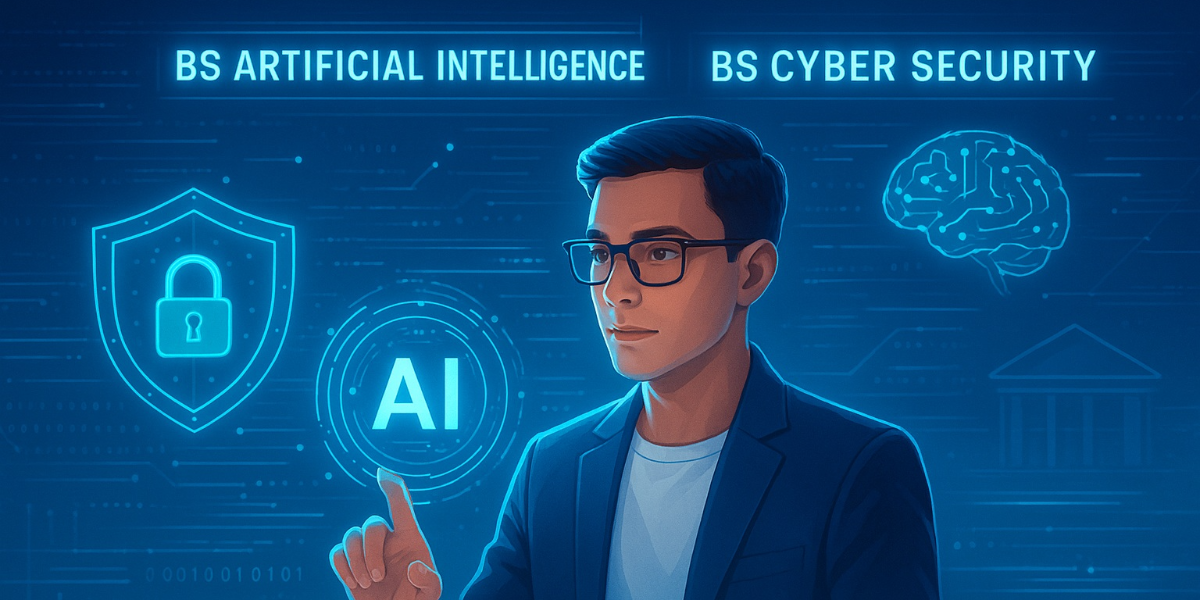
A key aspect of computer science education is exposure to various specialized Departments within the computing field. These departments often focus on areas such as artificial intelligence, software engineering, cybersecurity, and data science. By studying different areas of technology, students can explore their interests and choose a specialization that aligns with their career goals.
Working with different departments also allows students to collaborate with faculty members and participate in projects that reflect current industry trends. This experience helps them develop practical skills and gain a deeper understanding of how software systems are designed and implemented in real-world environments.
Developing Technical and Professional Skills
As students progress through the BS Computer Science (BSCS) program, they develop a wide range of technical and professional skills. Programming languages such as Python, Java, C++, and JavaScript are commonly taught, allowing students to build software applications and solve complex problems.
Students also learn about software development methodologies, system design, and project management. These skills are crucial for working in professional software development teams. In addition, teamwork, communication, and critical thinking are emphasized throughout the program, helping students prepare for collaborative work environments in the IT industry.
Practical assignments, coding projects, and internships play an important role in strengthening these skills. By working on real-world applications, students gain confidence in their ability to design, develop, and maintain software systems.
Understanding the Fee Structure and Academic Planning
Planning for higher education also requires students to understand the fee-structure and financial aspects of their chosen program. Universities typically provide detailed information about tuition fees, academic resources, and available scholarships so that students can plan their education effectively.
For students pursuing BS Computer Science (BSCS), understanding the fee structure helps them manage their academic journey while focusing on building their skills and knowledge. Proper planning ensures that students can take full advantage of educational opportunities without unnecessary financial stress.
Transitioning from Student to Software Engineer
As students approach the final stages of their degree, they begin preparing for professional careers in the technology sector. Many universities encourage internships, industry collaborations, and final-year projects that simulate real software development environments.
These experiences allow students to apply their academic knowledge to real-world challenges. By building software solutions, contributing to open-source projects, and participating in internships, students develop practical experience that employers value highly.
Graduates of BS Computer Science (BSCS) often start their careers as software developers, web developers, system analysts, or mobile application developers. With experience and continuous learning, they can advance to roles such as software architects, project managers, or technology consultants.
Career Opportunities After Graduation
The career opportunities for computer science graduates are vast and diverse. Technology companies, startups, financial institutions, healthcare organizations, and government agencies all require skilled software engineers. As digital transformation continues to expand globally, the demand for computer science professionals is expected to grow even further.
Graduates from institutions like Green International University are equipped with the knowledge and practical experience needed to compete in the global IT market. Their training in modern technologies, combined with strong problem-solving skills, allows them to adapt to new technological trends and innovations.
Continuous Learning and Professional Growth
The journey of a computer science graduate does not end after earning a degree. Technology is constantly evolving, and software engineers must continue learning new tools, programming languages, and frameworks throughout their careers.
Professional certifications, online courses, and advanced degrees are common ways for graduates to enhance their expertise. Staying updated with industry trends helps software engineers remain competitive and innovative in their field.
Conclusion
The path from student to software engineer is a journey of learning, practice, and continuous improvement. Through a well-structured BS Computer Science (BSCS) program, students gain the knowledge, skills, and experience required to succeed in the fast-growing technology industry.
With support from institutions such as Green International University, exposure to specialized Departments, and a clear understanding of the fee-structure, students can confidently prepare for rewarding careers in software development and innovation. By embracing lifelong learning and staying connected with resources like our blog, graduates can continue growing and contributing to the future of technology