Starting a career as a professional Pharmacy Technician opens the doors to a dynamic and rapidly growing sector in healthcare. For graduates and aspiring professionals, the two most prominent career pathways are hospital pharmacies and community pharmacies. While both settings rely on your core pharmaceutical knowledge, the day-to-day responsibilities, work environments, and patient interactions vary significantly.
Understanding these differences is key to deciding where your skills will shine brightest.
Hospital Pharmacy: Inpatient Care and Clinical Support
Working in a hospital setting puts you right at the center of critical, fast-paced healthcare operations. In this environment, technicians rarely interact with the general public. Instead, your primary focus is supporting doctors, nurses, and inpatients.
Key Responsibilities in a Hospital
Sterile Compounding:
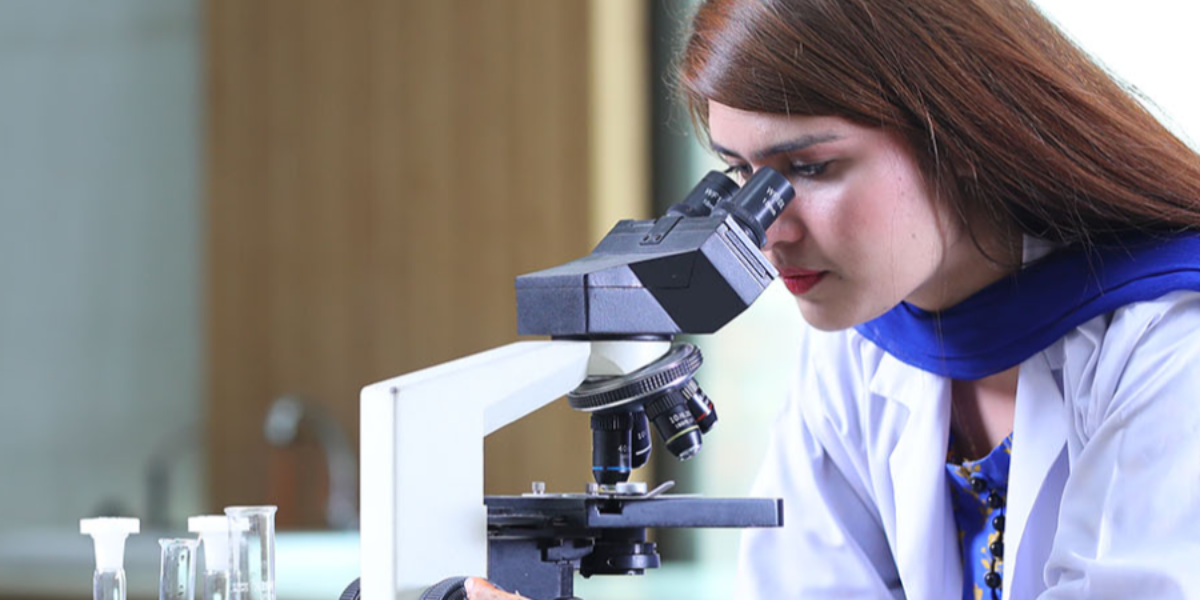
Hospital technicians often work in specialized cleanrooms to prepare intravenous (IV) medications, nutrition solutions, and chemotherapy treatments.
Managing Automated Dispensing Cabinets
You will be responsible for restocking electronic medication systems (like Pixis or Omnicell) located throughout different hospital wards.
Unit-Dose Packaging
Preparing single-dose medications specifically tailored for individual patients according to their daily charts.
The Work Environment
Because hospitals never close, pharmacy technicians here often work in shifts that include nights, weekends, or holidays. It is an analytical, clinical environment that requires a high level of precision and teamwork. For students at Green International University, gaining exposure to these specialized hospital setups during training is a massive advantage when entering the workforce.
Community Pharmacy: Patient-Facing and Retail Operations
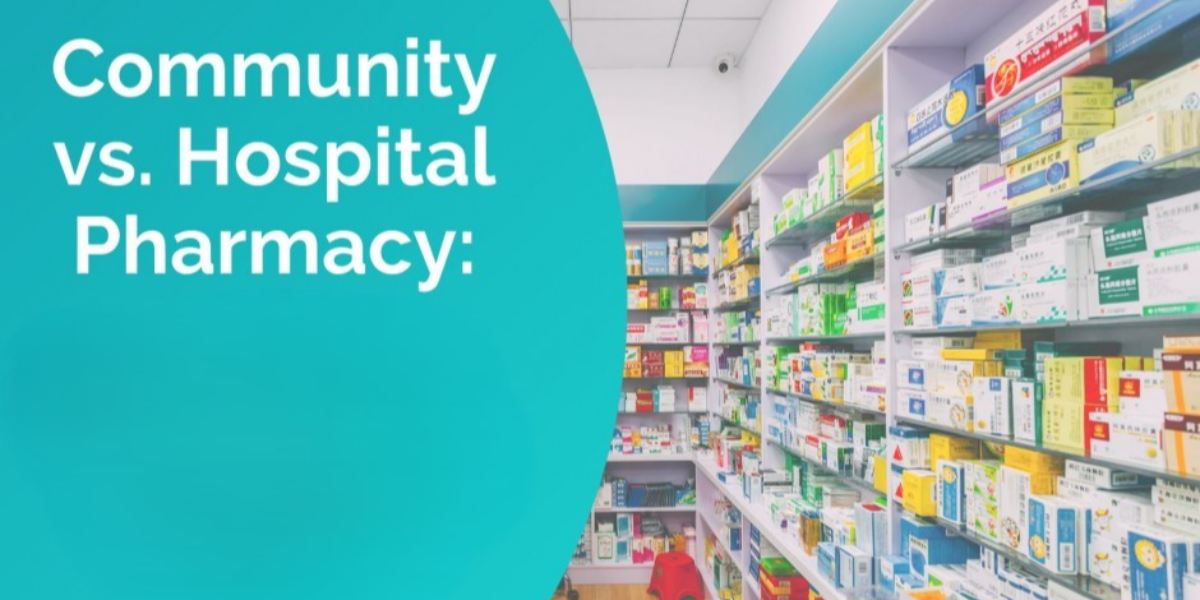
Community pharmacies, which include independent local drugstores, large retail chains, and grocery store pharmacies, are the most common workplace for technicians. This setting places a heavy emphasis on public health, accessibility, and customer service.
Key Responsibilities in a Community Setting
Direct Patient Interaction
You are the face of the pharmacy. You will greet patients, accept prescriptions, verify patient details, and handle the final pick-up process.
Insurance Resolution
A major part of the retail day involves navigating insurance claims, processing co-pays, and resolving coverage rejections.
Inventory Management
Keeping track of shelf stock, managing over-the-counter (OTC) inventory, and ensuring medications are organized and safely stored.
The Work Environment
The retail setting is vibrant and fast-moving. It typically follows standard retail or extended business hours rather than overnight shifts. This path is perfect for individuals who possess strong communication skills and enjoy building ongoing relationships with regular community members.
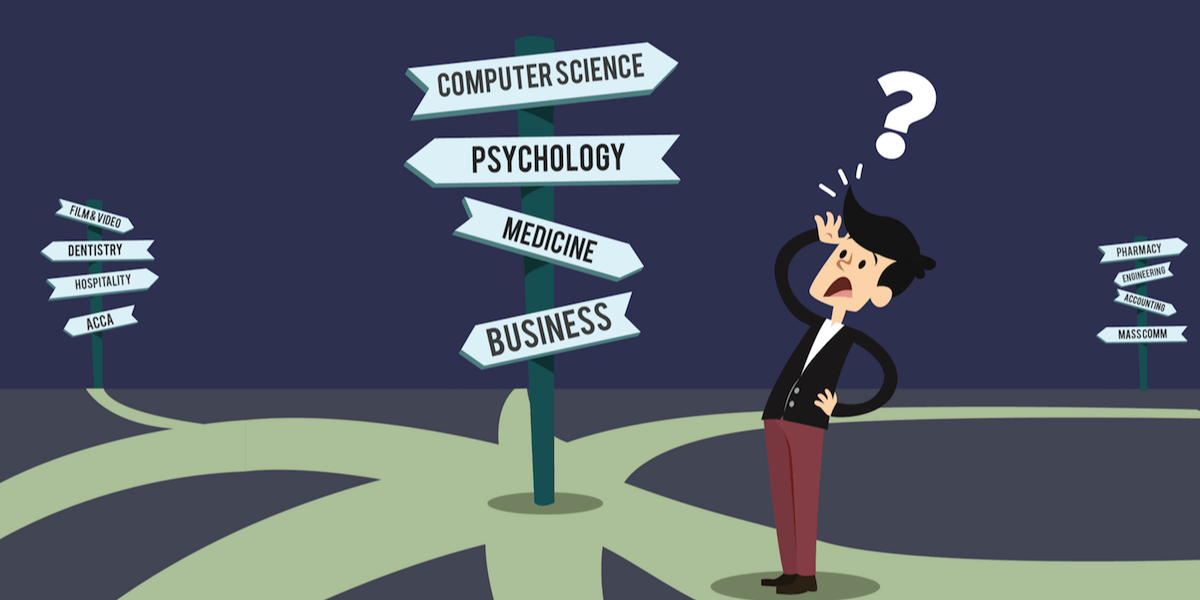
Which Path is Right For You?
Choosing between a hospital and a community pharmacy depends entirely on your personal career goals and working style. If you thrive in a quiet, highly technical, and clinical environment, hospital pharmacy is an excellent choice. If you prefer a social, fast-paced retail environment where you can actively help people navigate their daily health needs, a community pharmacy will feel like home.
Successfully making the transition From Classroom to Career requires a strong foundation of practical training and industry exposure. Strong institutional linkages and hands-on internship programs ensure that wherever you choose to practice, you step into the healthcare workforce with absolute confidence.
Conclusion
Ultimately, both hospital and community pharmacies offer stable, rewarding, and high-growth paths for trained pharmacy technicians. Whether you see yourself working behind the scenes in a high-tech hospital lab or serving on the front lines of community health, your role is vital to the modern healthcare system. By matching your personal strengths and professional goals with the right environment, you can build a fulfilling career that makes a tangible difference in patient care every single day.