The healthcare landscape in Pakistan is evolving rapidly, with science and innovation taking center stage in the country’s development. Among the most transformative fields contributing to this progress are biotechnology and biochemistry. These two scientific disciplines are reshaping how diseases are diagnosed, prevented, and treated, playing a critical role in improving the overall quality of healthcare in Pakistan.
As a research-driven institution, Green International University (GIU) is at the forefront of advancing these disciplines through cutting-edge education, modern laboratories, and practical research opportunities. By preparing the next generation of biotechnologists and biochemists, GIU is helping strengthen Pakistan’s healthcare system from the molecular level upward.
Understanding Biotechnology and Biochemistry
Biotechnology is the use of biological systems and living organisms to develop or modify products and processes for human benefit. It covers a wide range of applications from vaccine production and genetic engineering to drug development and environmental protection.
Biochemistry, meanwhile, focuses on understanding the chemical processes that occur within living organisms. It explores how cells function, how enzymes catalyze reactions, and how biological molecules interact. Together, biotechnology and biochemistry form the foundation of modern medicine and healthcare research.
The Growing Importance of Biotechnology and Biochemistry in Pakistan
Pakistan’s healthcare system faces challenges such as population growth, infectious diseases, and limited access to advanced medical technologies. However, biotechnology and biochemistry are emerging as key solutions to address these issues.
With universities like Green International University leading the way, Pakistan is beginning to invest more in life sciences education and biomedical research. Students are now trained in genetic analysis, molecular diagnostics, and biopharmaceutical development skills that are vital for strengthening the national healthcare infrastructure.
Key Contributions to Pakistan’s Health Sector
Advanced Disease Diagnosis
One of the most impactful contributions of biotechnology and biochemistry is molecular diagnosis. Traditional diagnostic methods can take several days and may not always provide precise results. Biotechnology, through tools like PCR (Polymerase Chain Reaction) and ELISA, allows for early detection of viral, bacterial, and genetic diseases with high accuracy.
In Pakistan, laboratories are increasingly adopting these methods for diagnosing diseases such as hepatitis, tuberculosis, COVID-19, and various cancers. Local production of diagnostic kits is also growing, making tests more affordable and accessible to the general population.
Vaccine Development and Disease Prevention
Vaccines are one of biotechnology’s most significant contributions to global health, and Pakistan is no exception. Through biotechnological advancements, Pakistan has strengthened its vaccine research and production capabilities.
Institutions like the National Institute of Health (NIH) and various university laboratories, including those supported by GIU-trained graduates, are working on vaccines for diseases such as polio, influenza, and hepatitis. The country’s rapid response during the COVID-19 pandemic showcased how biotechnology can support local vaccine production and disease surveillance.
Pharmaceutical Innovation and Drug Development
Biochemistry plays a crucial role in the development of pharmaceuticals, helping scientists understand how drugs interact with the human body at a cellular level.
Pakistani pharmaceutical industries are now focusing on biosimilars and bio-based drugs, which are cost-effective alternatives to expensive imported medicines. These innovations not only help patients access quality treatment at lower costs but also boost Pakistan’s pharmaceutical exports.
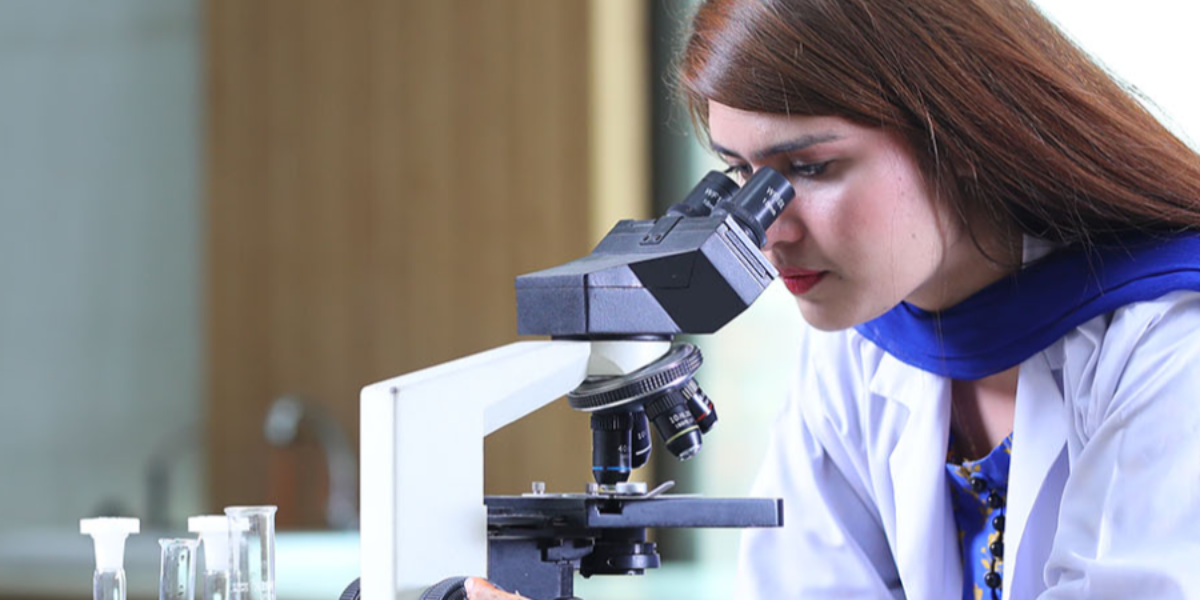
GIU’s programs in Biotechnology and Biochemistry provide students with hands-on experience in pharmacological research, drug formulation, and quality control, preparing them to contribute effectively to this growing industry.
Genetic Engineering and Personalized Medicine
Modern healthcare is moving toward personalized medicine, where treatments are customized based on an individual’s genetic makeup. This approach relies heavily on biotechnology and biochemistry.
In Pakistan, genetic testing for conditions like thalassemia, breast cancer, and cystic fibrosis is becoming more common. Biotechnologists analyze patient DNA to identify mutations and recommend targeted therapies. With continued support from research-focused institutions like Green International University, genetic research will play an even greater role in the country’s healthcare system in the coming years.
Agricultural Biotechnology for Nutritional Health
Health is not limited to hospitals; it begins with nutrition. Agricultural biotechnology is improving food quality and safety in Pakistan. By developing genetically modified (GM) crops resistant to pests and climate stress, scientists are helping ensure better food security and nutritional value.
These improvements indirectly contribute to public health by reducing malnutrition and providing access to healthier food options. GIU encourages interdisciplinary collaboration between biotechnology, agriculture, and health sciences to tackle these issues holistically.
Environmental and Industrial Biotechnology
Biotechnology also supports environmental health through innovations in waste management, water purification, and pollution control. For example, bio-remediation techniques use microorganisms to clean contaminated soil and water, protecting communities from health hazards.
Industrial biotechnology contributes by developing eco-friendly materials and biofuels, reducing environmental pollution that can cause respiratory and waterborne diseases.
Challenges and Future Opportunities
Despite remarkable progress, Pakistan’s biotechnology and biochemistry sectors still face challenges:
- Limited Research Funding: Many labs lack advanced equipment and consistent financial support
- Insufficient Industry Linkages: Collaboration between academia and industry is still developing.
- Need for Skilled Professionals: More trained scientists and biotechnologists are required to meet industry demand.
- Regulatory Constraints: Streamlined policies are needed for biotech patents, drug approvals, and biosafety.
However, these challenges also open new opportunities. With proper investment, Pakistan can become a regional hub for biomedical research and innovation. Universities like Green International University are key players in this transformation, offering modern degree programs, state-of-the-art facilities, and practical learning experiences.
The Role of Green International University (GIU)
As one of Pakistan’s progressive higher education institutions, Green International University (GIU) is actively contributing to the advancement of biotechnology and biochemistry. The university offers specialized programs that equip students with both theoretical understanding and laboratory expertise.
GIU’s Key Contributions:
- State-of-the-art Laboratories: Equipped for molecular biology, genetic analysis, and biochemical research.
- Industry Partnerships: Linking students with the pharmaceutical and healthcare industries for internships and research.
- Qualified Faculty: Experienced researchers and professors guiding students in innovation and problem-solving.
- Research Focus: Encouraging projects that address local healthcare challenges through biotechnology and biochemistry.
GIU is committed to developing professionals who will lead Pakistan’s healthcare and life sciences sectors toward greater self-reliance and global competitiveness.
Conclusion
The integration of biotechnology and biochemistry into Pakistan’s healthcare system marks a new era of innovation and progress. From developing vaccines and life-saving drugs to advancing genetic research and environmental health, these sciences are transforming lives at every level.
Institutions like Green International University are nurturing this transformation by empowering students with scientific knowledge, research capabilities, and a vision for the future. With continued focus on education, research, and collaboration, Pakistan’s health sector can achieve self-sufficiency, ensuring a healthier nation built on the power of science and innovation.