GIU is an extraordinary place for learning, discovery and transformation. Here, you have the freedom to ask questions, challenge the ordinary and spark innovation. We seek out bright and curious minds with revolutionary ideas to create an empowering community of leaders and change makers.
 04 Nov 2025
Luxury vs Necessity: Understanding Why English Proficiency Matters in Higher Education
Introduction
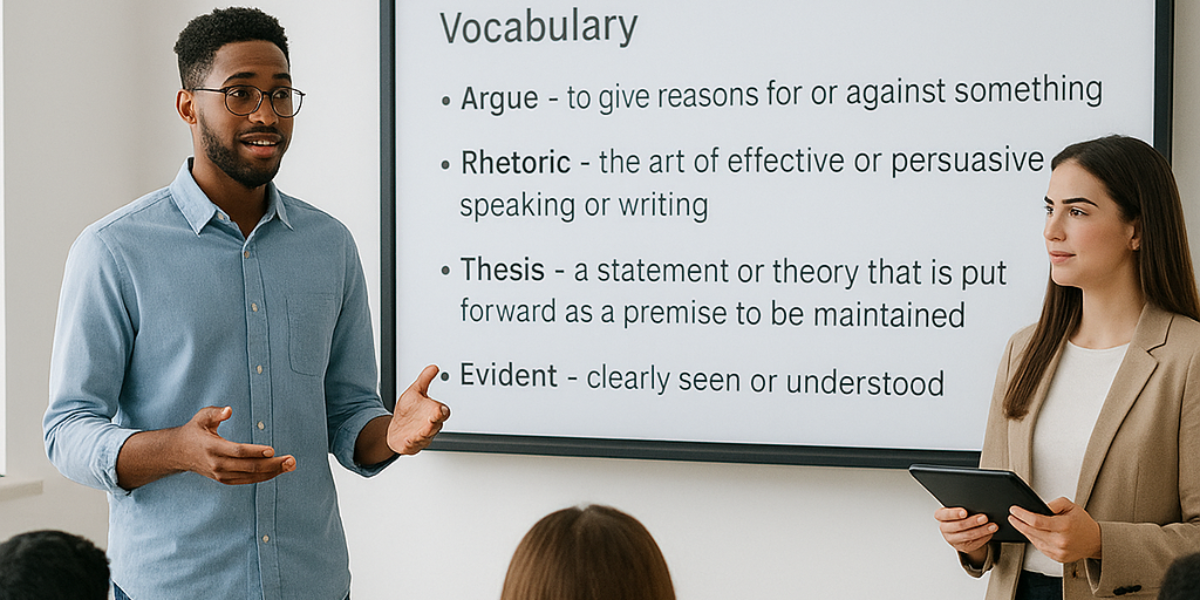
In today’s rapidly globalizing academic environment, the ability to communicate in English has evolved from being a luxury to a necessity. English is not just a language — it is the bridge that connects students, educators, and researchers across continents. In higher education, it serves as the key to unlocking international knowledge, collaboration, and innovation.
At Green International University (GIU), English proficiency is recognized as a critical component of academic success. Whether it’s reading research papers, presenting ideas, or pursuing global opportunities, fluency in English empowers students to excel in both academia and their professional careers.
English: The Universal Language of Academia
English has become the global language of science, technology, and education. More than 80% of the world’s academic journals, international conferences, and higher education programs are conducted in English.
Students with strong English skills are able to:
- Access and understand global research more effectively.
- Publish their own research in international journals.
- Participate in global exchange programs and conferences.
- Communicate confidently with faculty and peers from diverse backgrounds.
For GIU students, mastering English means unlocking countless opportunities both within Pakistan and around the world.
Luxury or Necessity: The Modern Academic Reality
There was a time when English fluency was seen as a symbol of privilege, limited to a select group of students from elite schools. However, the modern higher education landscape has changed completely.
1. Globalization of Education
In an increasingly interconnected world, students often collaborate on projects and research with peers from different countries. English serves as the common academic language, enabling smooth communication and knowledge exchange.
2. Technology and Digital Learning
Most digital learning platforms, scientific journals, and educational resources are available primarily in English. Without proficiency in the language, students miss out on a vast world of knowledge that is just a click away.
3. Employability and Career Growth
Employers — both local and international — value candidates who can communicate effectively in English. Whether working in multinational corporations, research institutions, or global NGOs, English proficiency has become a practical career requirement rather than an academic preference.
In short, English is not an added advantage anymore — it’s an essential skill for professional and academic survival in the modern world.
Why English Proficiency Is Vital in Higher Education
1. Enhances Academic Understanding
Courses in universities often use textbooks, lectures, and research material written in English. Students who are proficient in the language can grasp complex topics more easily and perform better academically.
2. Enables Research and Innovation
Research papers, scientific articles, and global databases are mostly published in English. Understanding this material allows students to stay updated with the latest innovations and contribute their own findings to the global academic community.
3. Improves Communication Skills
Strong English communication skills help students express ideas clearly — whether in presentations, classroom discussions, or written reports. This not only improves grades but also boosts confidence and leadership qualities.
4. Facilitates International Mobility
Many students at Green International University (GIU) aspire to pursue postgraduate studies or internships abroad. English proficiency is often a key admission and visa requirement, making it essential for those seeking global exposure.
The Role of GIU in Promoting English Proficiency
Green International University (GIU) takes a proactive approach to ensure its students meet international communication standards. Recognizing that not every student enters university with the same language skills, GIU offers structured programs to help students strengthen their English proficiency.
1. English Language Foundation Courses
GIU offers preparatory and foundation courses focused on grammar, academic writing, and spoken communication. These courses help students transition smoothly into English-medium degree programs.
2. Academic Support and Writing Centers
Dedicated academic support centers at GIU assist students in improving essay writing, research papers, and thesis development — ensuring they maintain high academic standards in all forms of written communication.
3. Language-Integrated Learning
GIU emphasizes the integration of English learning across all disciplines. From engineering to business, every department encourages professional communication and technical writing in English.
4. Faculty Mentorship and Training
GIU faculty members are trained to provide language-inclusive education. They guide students in developing confidence in academic presentations, research communication, and public speaking.
English Proficiency and Global Opportunities
English opens doors to international scholarships, conferences, and exchange programs. Universities across the world collaborate on joint research projects and student mobility programs that require effective English communication.
For GIU students, this proficiency is the gateway to:
- Erasmus and international scholarships.
- Internships and research opportunities abroad.
- Global networking with industry experts and educators.
By mastering English, GIU graduates not only enhance their employability but also position themselves as global citizens capable of contributing to international innovation and development.
Bridging the Gap Between Local and Global
English proficiency helps bridge the gap between local education systems and global academic standards. It enables Pakistani students to bring local perspectives to international discussions, ensuring their voices are heard in global platforms.
For a country like Pakistan, where the youth form the majority, improving English skills means empowering an entire generation to engage with global ideas, technology, and culture — and to contribute meaningfully to international progress.
Conclusion
English proficiency in higher education is no longer a luxury reserved for a few — it’s a necessity for success in academics, research, and professional life. It equips students with the tools to explore global knowledge, communicate across borders, and achieve excellence in their fields.
At Green International University (GIU), we believe in nurturing students who are confident, articulate, and globally competent. Through quality education and language support, GIU continues to prepare its students for a future where English proficiency is the foundation for lifelong success.