GIU is an extraordinary place for learning, discovery and transformation. Here, you have the freedom to ask questions, challenge the ordinary and spark innovation. We seek out bright and curious minds with revolutionary ideas to create an empowering community of leaders and change makers.
 19 Nov 2025
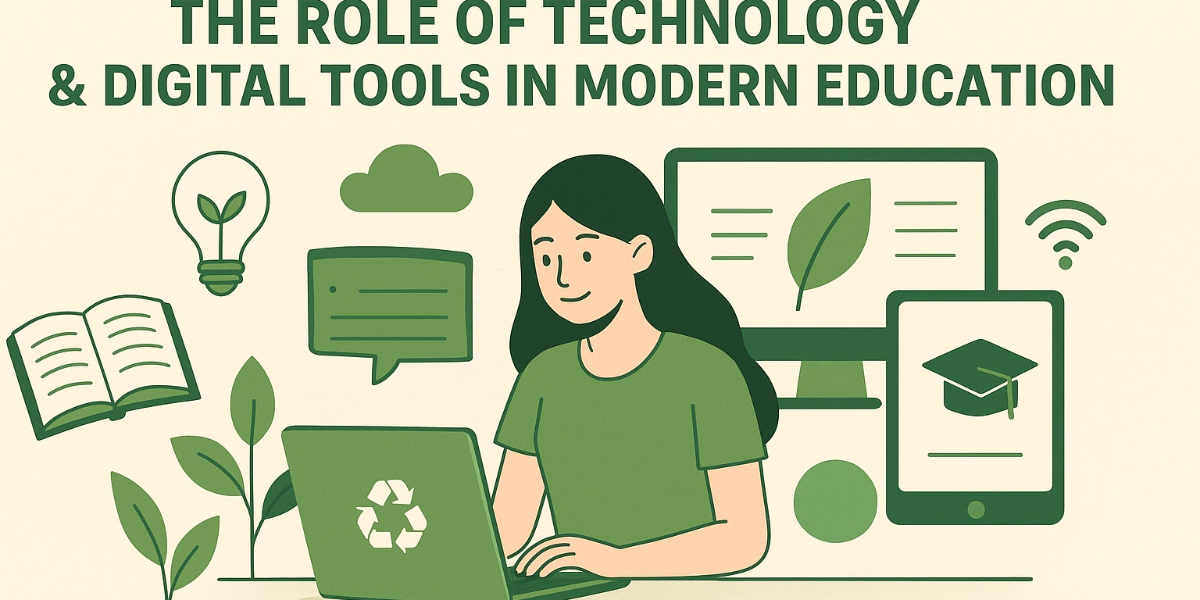
Green Learning: The Role of Technology & Digital Tools in Modern Education
Embracing a Greener, Smarter Educational Future
In today’s world, education is evolving rapidly, with sustainability and digital innovation at its core. The concept of Green Learning is reshaping how students and educators interact with knowledge. It goes beyond online learning—it’s about integrating eco-friendly practices and digital tools to reduce waste, enhance efficiency, and promote long-term sustainability in education.
Green International University stands among the forward-thinking institutions leading this educational revolution. By using technology to create smarter, paperless, and more inclusive learning environments, the university emphasizes both academic excellence and environmental responsibility. Green learning is not just about saving resources; it’s about transforming education into a model that aligns with global sustainability goals.
What Green Learning Looks Like in Practice
Digital Tools Supporting Sustainability
Technology-driven education introduces multiple tools that foster sustainability while improving teaching outcomes. Learning management systems (LMS), cloud platforms, and e-learning applications have replaced many traditional paper-based processes. Course materials, quizzes, and assignments can now be accessed digitally, significantly reducing paper consumption and administrative waste.
Cloud-based storage allows students and teachers to share files, collaborate on projects, and access resources from anywhere. This not only saves time but also reduces energy consumption and travel-related emissions. Similarly, digital whiteboards, video conferencing, and online discussion forums have made education more interactive and flexible—without relying on physical resources.
Fostering Digital Literacy and Environmental Awareness
Green learning also empowers students to use digital tools for solving environmental problems. Through simulations, data analytics, and virtual experiments, students can explore sustainability concepts hands-on. For example, environmental science courses can use digital sensors to measure air quality or water purity, helping learners connect theory with real-world ecological issues.
This integration of technology and environmental awareness cultivates both digital literacy and sustainable thinking—two essential qualities for future leaders. Students learn to use innovation responsibly, understanding that technology is not only a tool for convenience but also a pathway to protecting our planet.
Benefits of Technology-Driven Green Learning
Enhanced Accessibility and Flexibility
One of the major benefits of digital learning is accessibility. Students can study anytime and anywhere, using laptops, tablets, or smartphones. Online platforms support different learning styles, ensuring that education is inclusive for all. Whether it’s video lectures, interactive quizzes, or digital libraries, learners can customize their study experience to suit their needs.
This flexibility also benefits working professionals or remote learners who may not have access to traditional classroom settings. Green International University’s approach ensures that learning remains open and adaptable for everyone, regardless of location or schedule.
Reducing Environmental Impact
By replacing paper-based materials and minimizing physical travel, green learning significantly lowers carbon emissions. Virtual classrooms, online assessments, and digital course materials eliminate the need for printing and reduce waste generation. Institutions adopting these technologies not only save resources but also set an example of environmental responsibility for their communities.
Improved Student Engagement
Technology enhances learning through interactivity and innovation. Digital simulations, augmented reality (AR), and gamified lessons make complex subjects more engaging and easier to understand. Students are more likely to stay motivated when learning is dynamic and immersive. Additionally, instant feedback systems help them monitor progress and improve performance in real time.
Building Future-Ready Skills
Digital education equips students with essential 21st-century skills. By integrating green learning tools, universities prepare students to work in digital environments while maintaining ethical and environmental awareness. Skills like online collaboration, data management, and critical problem-solving are vital for thriving in the modern workforce.
Challenges and Considerations
While the benefits of green learning are clear, some challenges remain. Unequal access to technology, limited internet connectivity, and the need for teacher training can create obstacles. Institutions must ensure that all students have equal access to digital tools and resources.
Educators also require support and training to use these tools effectively. When teachers are confident in technology integration, they can create engaging lessons that enhance both understanding and environmental awareness. Moreover, balancing screen time and maintaining human interaction in virtual environments are key considerations for sustainable digital education.
Implementing Green Learning at the University Level
To successfully adopt green learning, institutions like Green International University can follow a strategic plan that includes:
- Digital Transformation – Shifting to online systems for course management, communication, and administration.
- Teacher Training – Equipping faculty with digital skills to deliver high-quality, interactive lessons.
- Student Support Systems – Providing access to devices, online libraries, and academic counseling.
- Sustainability Goals – Setting measurable targets for reducing paper, energy, and resource consumption.
- Curriculum Innovation – Embedding sustainability topics and digital competencies across all disciplines.
This approach ensures that green learning is not an isolated initiative but a core part of the institution’s identity.
Conclusion: Shaping the Future Through Green Learning
The integration of technology and sustainability is redefining modern education. Green learning represents a forward-thinking approach that combines environmental awareness with digital innovation. It enables students to learn more effectively while contributing to a cleaner, greener planet.
Green International University exemplifies this vision by promoting a balance between academic advancement and ecological responsibility. By embracing technology, fostering innovation, and committing to sustainability, the university empowers its students to become responsible global citizens ready to lead in an eco-conscious world.
In this digital era, education is no longer confined to classrooms—it is evolving into a greener, smarter, and more sustainable journey toward a better future. Read for more related info